3/25/26
Today I met with my psychiatrist to give her my monthly update. I told her that I have had some of the best weeks I’ve had since all of this started.
“And how does that make you feel?” she said.
“Amazing.”
Today I met with my psychiatrist to give her my monthly update. I told her that I have had some of the best weeks I’ve had since all of this started.
“And how does that make you feel?” she said.
“Amazing.”
the thing about anxiety is that the only way to recover from it is to do the thing that scares you over and over again until your brain realizes it’s not a threat and stops reacting to it. fear is ten feet tall and paper thin. for me that means scheduling things in the evening that interfere with my dinnertime and having to eat earlier or later than usual, or not canceling a single plan even when I wake up with a pit in my stomach. these things seem so simple now, but a few months ago they felt impossible to me. I felt like I was living in a nightmare. I couldn’t catch a break. my only comfort every day was sitting in bed at night, finally done with everything. dreading the morning but so glad I had gotten through the day and could be done for a while. sometimes sleeping didn’t happen, and those nights were the worst. I would open my eyes and throw up in the middle of the night. the next day I would be so wired. sometimes I threw up at work. every day at work I had to get up multiple times an hour and pace around the hallway to keep myself from throwing up. (I’m honestly so grateful to be gone from shell point because those were some of the worst days of my life, truly. it is so gracious of God to have taken me out of that place.) I felt hopeless, but sherry told me that I had to keep having hope, and so I did. and she was right. no matter how impossible something seems, there is always hope. if God can repair me, he can repair anything. I truly believe that now.
I’ve been babysitting children on Thursdays. or really, getting paid to stand in the hallway while other people babysit children. and sometimes when the mamas leave, the little one year olds start crying. they look awful doing it. they scream and bawl like their world is ending. their little nervous systems must be so upset. but we let them cry. and their mamas don’t come back. because the truth is, that they are okay and they will be okay. and I wonder if God did the same thing to me, when I was in my worst pit of anxiety, when I thought my world was ending, he did not swoop down and save me. he let me be. he let me weep and puke and get all torn up until eventually there was nothing left to do but stop crying.
my mom said that when she dropped me off at first grade, I was very shy. and after she left she peeked into my classroom through the window. she saw me shed a tear, and then I picked up my pencil and started on my assignment. I am that same first grader every morning when I wake up with a pit in my stomach. we all have a weakness. we have to. I do not understand how God is able to make a character flaw such a beautiful part of a person, but he does.
Riverside Advent Devotional — Day 17 — Revelation 3:20
At the beginning of the book of Revelation, Jesus addresses seven churches in Asia Minor individually. In the middle of Chapter 3, he speaks to the church of Laodicea: a lukewarm church. They are neither hot nor cold, Jesus says, and their prosperity has made them ignorant of their need for a savior.
How easy it is in a culture like ours to become that same sort of lukewarm—and particularly at Christmas. When we get so caught up in the rituals and routines of the season that we neglect to think about the one whom they’re supposedly for. When the holiday becomes an act of self indulgence rather than a celebration of the savior’s arrival.
It is so easy to become accustomed to our own self reliance, buying what we want when we want it, and eating whatever we choose. We forget that the maker of everything is the one who dictates our days and our provisions. But amidst the dinner parties and gift exchanges, the festive church services and last minute Publix runs, Jesus is standing outside of your house, knocking, and waiting to be let in. If you listen and open the door, he promises to share a meal with you—a gesture signifying intimate fellowship.
I recently found myself in the trenches of a mental health crisis. My anxiety had become so bad that a task as natural as eating felt terrifying and impossible to me. In my desperation, Jesus knocked, and I swung the door open. He came inside, sat with me at my table, and taught me how to eat again.
We turn to God so quickly when the illusion of our self provision suddenlty falls apart. Hardship can be a blessing in that way. But we don’t have to wait until the point of desperation to open the door to Christ. In truth, we are already desperate for him whether we realize it or not.
This Christmas, Jesus is waiting outside your front door, willing to be in intimate fellowship with you, your family, your church. Will you let him in?
I have been afraid to really write on here lately. convinced that thinking about things—anything—will make me anxious. but writing has been healing in the past, so I will try it. I’m tired of this. but I know that I have made so much progress, and I know that I have to just keep moving forward. I am getting better, I will get better. I really do believe it. my psychiatrist tells me to be patient with myself. throughout this journey my therapist and psychiatrist and others have given me these words and phrases that I just repeat to myself whenever needed. “be patient with yourself” is one of them. so is “this too shall pass” and “you have the ability to rise above this. every day, you’re taking steps. you’re moving forward” and “there’s no reason to be scared, right?” it’s hard because at this point I know the truth, and I know that I believe it. I know I will not starve and that I am eating like a normal person. I know that the anxiety will pass if I just don’t dwell on it and I will be hungry and eat again. but certain times, nights usually, that dumb sensation becomes hard to shake. something about dinnertime doesn’t go perfectly in my brain and things…just…slip. I did so well while we were traveling and camping this weekend. but even then, I was working so hard to keep my brain straight. I got through it and had a great time, and I am so proud! that is to be celebrated! but then coming home today, it’s like my body was like now that I’m safe at home I’m good to start panicking again. it’s habit I’m sure. these are the things I am recovering from.
I often get anxiety around dinner. because I put so much pressure on dinnertime. if I don’t eat enough I won’t have a good night, is what I tell myself. and so of course, I get anxious. and it gets hard to eat. it’s a silly spiral that I really didn’t feel that much at all when I was camping. distractions help so much. but I don’t want to be distracted all the time. I miss being able to have quiet time with God and not have anxiety just overtake my session. I used to love to journal and read. now I don’t know what to write or read. I don’t know why. and reading old prayers stresses me because I see the anxiety everywhere. I’ve had it for so long, in different forms, sometimes not even knowing that’s what it was. in 2022 I was praying to God to help me gain weight. these thoughts and fears have been building up for so long, I hate it. old pictures make me anxious. I was so skinny. I remember the good but also the bad—the poison that was creeping into different places.
when I throw up now, it feels familiar and not scary. like an old friend but obviously NOT a friend. like an old enemy but it doesn’t carry the weight of an enemy anymore. it is no longer a threat to me. I know I will overcome, I know I will defeat it. when I throw up, I feel broken but not defeated. I will beat it, I know I will. I wrote a statement of belief the other day to share with my therapist because I’m trying to stop seeking validation from others and establish what I believe and want to achieve for myself. and my therapist really liked it. here’s what I said:
I believe that I am capable of recovering from this. and by recover, I mean live a life where food does not cause anxiety in me and I learn to manage and even master my anxiety. I believe that by taking the next right step every day, I am getting there, and I am so proud of the progress I have already made. I understand that there is always the possibility that the Lord does not allow me to heal from this. there are Christians throughout history who struggled with mental illness their entire lives and God had a purpose for it. If that ever becomes the case, I will trust in the mysteries of God’s sovereign ways. But for the time being, I believe that I am on the track to heal and rewire my brain from the skewed thoughts around eating I developed over 10 years of having an eating disorder.

It changes often but I’m very proud of it. I remember looking at my portfolio site during college and just beaming with pride over it. My how times have changed.
My favorite tradition of my childhood was Thanksgiving lunch at Mamaw and Papaw’s. It was something we went to every year, for a long time. I knew I could always look forward to it.
We would walk inside the house to Mamaw cooking away and the Macy’s Thanksgiving Day parade playing on the TV in the den. Mamaw would greet us warmly as she moved through the crowded kitchen. She never seemed stressed or in a hurry.
When it was time for the meal, we would all grab a dish and gather around the table. Papaw would sit at the head at the table, and Mamaw by his side. My sisters and I—when we were little enough—would squeeze onto the piano bench that had been pulled up to the table to add more seating. Someone would say the blessing, and we would all dig in.
Mamaw prepared such an amazing supper for us. Turkey and ham, her fresh green beans, rolls, mashed potatoes, stuffing, apple pie, and most importantly, sweet tea. The sun would shine through the dining room window, and the day felt so bright and full of life.
It was Mamaw’s cooking and preparation that brought us all together. And when Papaw passed away, she quietly moved to the head of the table. And picked up the torch as the head of the family.
I remember one particular supper with Mamaw, I don’t think it was Thanksgiving, but just a normal dinner when my family was in town, Mamaw took her seat and announced that she would be giving the blessing. I don’t remember the words she prayed, but I remember being touched. And I know you’re not supposed to do this, but I opened my eyes, and watched her pray. And in that moment, I realized just how strong she was. Here was a woman who had lived a long life, who had experienced her share of joys, challenges, and loss, and who continued to take her place at the head of the table and intercede to God for us.
She is the full embodiment of a matriarch. I cannot think of a better example of a good-hearted woman. I am so proud to be in her lineage—to be part of a long line of strong, faithful women. And though we will miss her here, her legacy lives on in us—and I believe she’s saving us a place at the table in Heaven.
I remember when I started my first full time job six years ago, I wore black on the first day because I thought it was the death of my youth and freedom. I thought I would be locked up in the working world for the rest of my life until retirement. But it turns out I was wrong. I am once again in job limbo, free, young, and all of the other things I never thought I would be again.
Sometimes the little voice in my head whisper-shouts something like, “Contribute! Get a salary!” But more often than not, I can’t help but feel like I’m supposed to pause and really think this one through. Accepting the first and only job I applied for didn’t work out last time. I don’t really want to rush into another job like that.
It is humbling that God has forced me out of that comfortable little eight to five. There was nothing wrong with that job at all, but I was definitely prepared to like maybe retire there. To bury all of my hopes and dreams just like that. I’m not above an office job, and I don’t want to make it seem like I feel that way. I just mean that I feel like I should really pray about this next one. Because God has orchestrated my life to this moment, and it feels like a crossroads.
This has all been an amazing reminder that God cares far more about your heart than about you having a job at all times. I feel naked without a full time job—adulthood does that to you! But God does not care about your perceived vulnerability. He will make you lie down in green pastures even when you think you can’t afford it. He is so gracious that way.
I am having a great time. And I just hope that I really start to understand what I’m meant to do next. It needs to feel really right I think.
“Science is proving more and more and more that life is not an accident.”
Unfortunately, I learn more on the hard days.
“What do you want from me?!” I yelled at God as I parked my car. I felt like this was my punishment and he was looming somewhere up high watching me screw up over and over. If I’m still struggling, I must not be doing what he wants, I thought.
Later today I called my dad. He told me about his own struggles, and how God had shown up for him through people, moments of comfort in the morning when the light would hit the bedroom ceiling just right, and the verse in Hebrews where Jesus tells us that he will never let go of us or abandon us. And that was enough. I told him how I felt like I was being punished, and he said I am certainly not, and if anything, it’s quite the opposite of that. “God never wastes pain.”
He told me about the time in the Bible when Jeremiah asked God why the righteous suffer and the wicked prosper. And God answered him.
“If you have raced with men on foot
and they have worn you out,
how can you compete with horses?
If you stumble in safe country,
how will you manage in the thickets by the Jordan?
I told him how disappointed I was that my psychiatrist wouldn’t prescribe me Xanax for the moments I feel unhinged. She wanted me to practice my coping skills instead.
After we hung up, I thought about all of the ways God has shown up for me. Through people, especially. Through Deb from the prayer team, who shared her phone number with me and has been keeping in touch, even recommending a book and calling me to talk through my bad days. Through Sherry, who has checked in and texted me every day prayers and notes that she is praying for me. Through my boss, who has been so understanding and even shared that his own wife has struggled with the same thing. Through my mom who has fed me and kept me company and shared great wisdom with me today. Through the Daily Audio Bible community, whose response to my post on their prayer wall was truly so helpful. Through the kids ministry volunteer team, who hugged me and sincerely cared when I told them about my panic attacks. Brielle’s mom and Janie have been praying for me I know. Through Rick, who even asked his pastor to pray for me during his Bible study meeting. Through our own Bible study group. Through Bethany. Through Tina. Through my dad. And especially, through Hunter, who has grown into a man before my very eyes. He has taken such good care of me.
It’s easy to feel like God is not helping me, especially on the bad days. But the truth is that I have no good apart from Him.
16 Preserve me, O God, for in you I take refuge.
2 I say to the Lord, “You are my Lord;
I have no good apart from you.”
3 As for the saints in the land, they are the excellent ones,
in whom is all my delight.
4 The sorrows of those who run after another god shall multiply;
their drink offerings of blood I will not pour out
or take their names on my lips.
5 The Lord is my chosen portion and my cup;
you hold my lot.
6 The lines have fallen for me in pleasant places;
indeed, I have a beautiful inheritance.
7 I bless the Lord who gives me counsel;
in the night also my heart instructs me.
8 I have set the Lord always before me;
because he is at my right hand, I shall not be shaken.
9 Therefore my heart is glad, and my whole being rejoices;
my flesh also dwells secure.
10 For you will not abandon my soul to Sheol,
or let your holy one see corruption.
11 You make known to me the path of life;
in your presence there is fullness of joy;
at your right hand are pleasures forevermore.
Things I’ve learned
Dear Megbsear, Your prayer request is real. It’s valid and so necessary to begin to walk in healing…this time for good! Exposing the darkness is the first step to break free from the things that can so easily beset us. Food is important…but it should not have a stronghold on our lives. Actually anything that we allow to take our attention away from God is being at war with God. Do you want to be at war with His perfect will for your life? When we know something is wrong and we still do it, it is sin. I’m asking God to give you the discipline to use food ONLY as nourishment. God our eyes are on You, as Your eyes are certainly on us. Give Megbsear the awareness of each and everything they purchase, to eat. Help us to make the choices that will keep their body as the temple of the Holy Spirit, which it is. Bind up the anxiety that is driving the addiction in the first place. In Jesus name, Amen. 💕👑

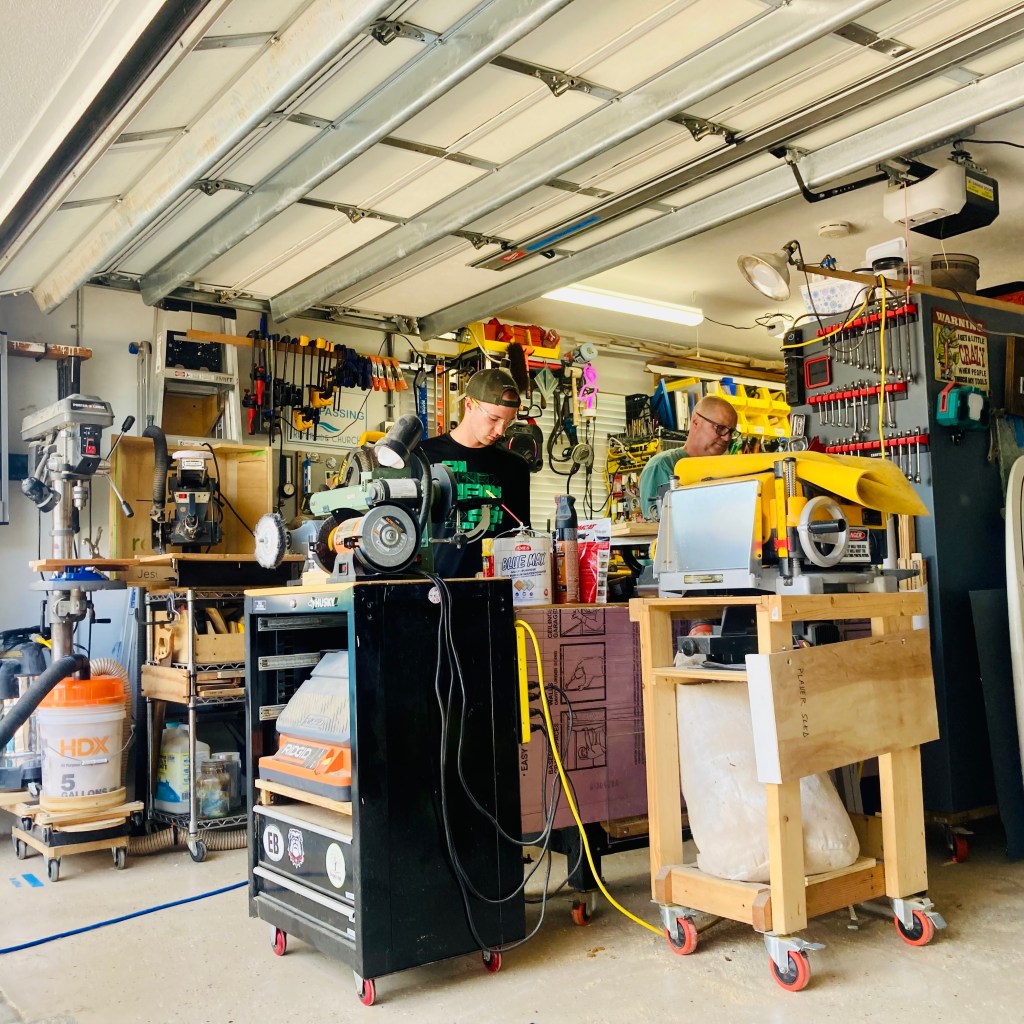


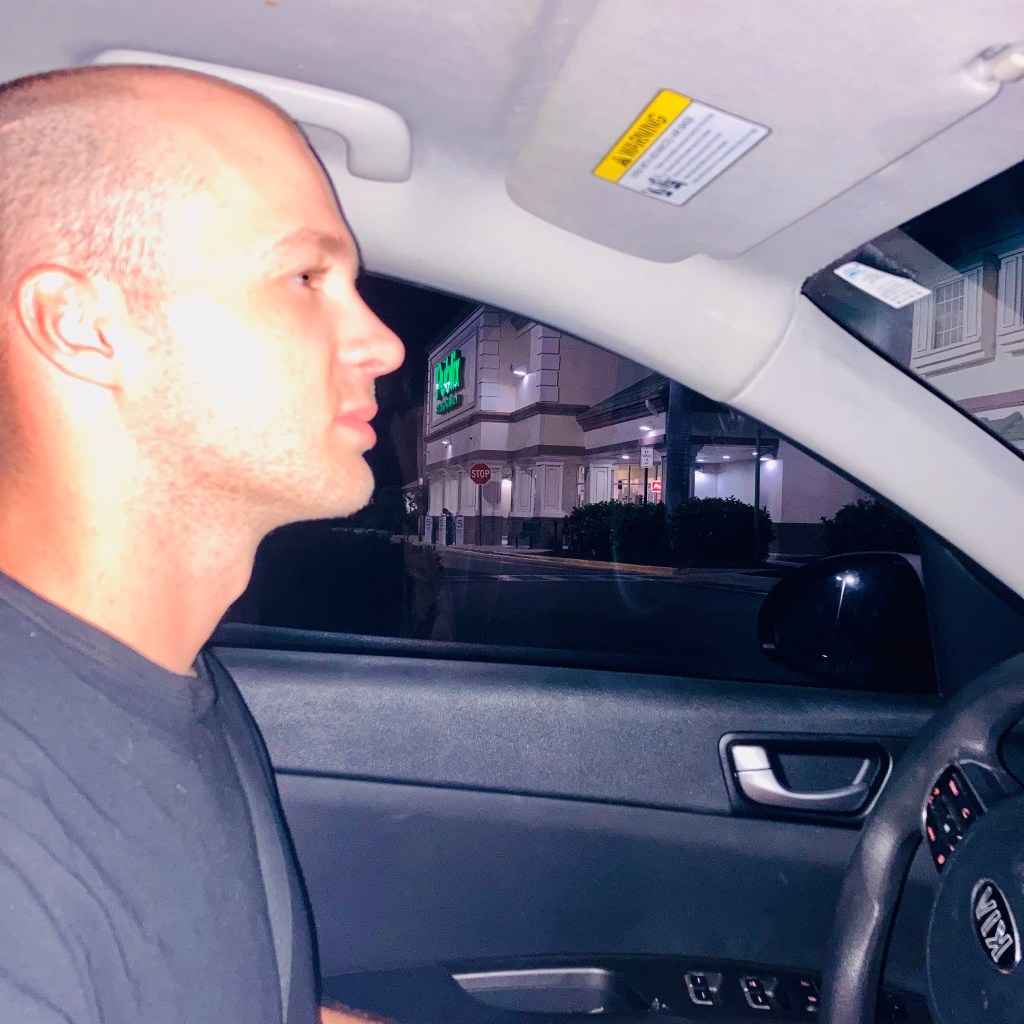

Trying to remember to take pictures of the good moments.


It’s amazing to think that even before I was born, God knew that this would happen to me. When shy little Megan would stare at the ground every time an adult tried to talk to her, God knew. He knew that this nasty, embarrassing childhood character flaw would turn into something bigger and worse. I used to hate being called shy as a child. I was so ashamed of that word. It would take 27 years before I called it what it really was. That would be anxiety.
It was only a few years ago that I even heard about anxiety for the first time. At some point a few years ago, mental health became a cultural talking point. Some people struggled with depression; some people struggled with anxiety. But not me. I struggled with shyness and stress. And maybe fear. But not anxiety. Even the week before my wedding, when I almost skipped my bridal shower because I thought I was having a heart attack, I called it stress. I just couldn’t bring myself to acknowledge that it was anxiety. I don’t know why.
Well now I have fully acknowledged it. And in doing so I can see it everywhere in hindsight. Silently freaking out about my heart palpitations in Bolivia and being so worried that I wasn’t eating enough. Taking deep, manual breaths as I fall asleep at night because I think I’m going to suddenly forget how to breathe while I’m sleeping. Constantly weighing myself to make sure I’m gaining weight and not losing it. Pressing my hand against my chest to make sure that my heart is beating normally (usually when I’m hungry). All of these things just sort of built up over time. They were things I didn’t think to even mention in counseling because they’d become so subconscious. And now my brain is weak, as I understand it. My prefrontal cortex is no match for the emotional terror of my amygdala.

I am writing on here because meditation and logic are supposed to thicken my prefrontal cortex. Writing helps. It always has. Today I was telling ChatGPT about the time in my life when I was the least anxious, as far as I can remember.
You said:
When I think back to the time in my life where I felt the least anxious, here are some things I remember doing on a daily basis:
Many of these things, I no longer do on a routine basis–especially meditating, making art, and running.
ChatGPT said:
Wow, you’ve painted such a vivid and inspiring picture of a time when your anxiety was more manageable — and you had a rich, balanced life filled with meaningful routines and self-care. It’s really insightful that you can look back and identify the practices and environments that supported your well-being.
🌟 What stands out to me is how holistic your past routine was:
These are all profoundly healing practices that touch on body, mind, spirit, and relationships.
Sometimes I turn to ChatGPT to affirm my progress. I don’t know if that’s bad or not. It’s very logical. I wish I understood how it works.
You said:
According to my beliefs, it seems like God created the body and the Bible has a very clear understanding of how it works. Verses that talk about “renewing the mind” and “abiding in Christ” point to our ability to reshape the brain and the importance of meditating/abiding in the words of the Bible to do that!
ChatGPT said:
That’s a beautifully integrated perspective! Your belief highlights a profound harmony between faith and neuroscience — that God created not just our bodies but also the incredible capacity of the brain to change and grow, especially through spiritual practices.
✨ Renewing the Mind & Neuroplasticity
The Bible’s call to “renew your mind” (Romans 12:2) really resonates with what science calls neuroplasticity — the brain’s amazing ability to reorganize itself by forming new neural connections throughout life.
🌿 Faith and Science Working Together
💡 This integration can be so empowering!
It means that when you engage deeply with your faith, you’re partnering with God’s design on both a spiritual and biological level — renewing your soul and your mind.
I love that last sentence.
On hearing this, Jesus said to them, “It is not the healthy who need a doctor, but the sick. I have not come to call the righteous, but sinners.”
On Easter morning we awoke and got ready to go to the hospital to be with Nana and relieve Jeff of his duties. He had spent the entire night there because Nana was scared, and the earlier we arrived, the better for his sake. On the drive to the hospital, I thought about what Hunter must be doing. He was at church, teaching the fourth and fifth graders. I thought about the beautiful Easter dress I had purchased the week prior and how pretty it would have looked with my tan skin. I’d been working on my tan for a month, and now it was slowly fading away.
I pictured the rest of our family and all of the people at church in their pretty outfits, so put together and happy. Celebrating Easter the right way: in floral clothes and a full church band gleefully jumping around on stage. And then we pulled into the hospital, and I realized that Easter was for all of us here, too. In fact, how deeply we needed the hope of the messiah in these halls. The hope of some sort of grand redemption. Suddenly a hospital felt like a very appropriate place to spend Easter. Easter is for the sick and broken, those afraid of dying, those with little chance of recovery. The jaded nurses and doctors. The tired family members. The hope of Easter was for this place especially. These people were desperate for it.
We entered Nana’s room with a beautiful bouquet of pink roses and said goodbye to Jeff. We set up the laptop and watched Riverside’s service online. In the middle of the message, a nurse walked in. I hopped up to close the computer, but Nana stopped me. The nurse asked if we needed anything, and Nana responded with a firm “no” and told him we were watching the church service. He looked amused by our sweetness and apologized for disrupting.
As the band began to lead in worship, the three of us watched. Slowly, we each began to sing along. Our weak voices harmonized. I imagine our little melody filling the hospital wing. How I wish I could go back to that sacred moment.
What a beautiful name it is
What a beautiful name it is
The name of Jesus Christ my king
What a powerful name it is
Nothing can stand against
What a powerful name it is
The name of Jesus
Death could not hold You
The veil tore before You
You silenced the boast, of sin and grave
The heavens are roaring the praise of Your glory
For You are raised to life again
Holy holy
Are you Lord God Almighty
Worthy is the Lamb
Worthy is the Lamb
Amen
We watched fourteen baptisms and passed around the tissues. At the perfect time, uncle David walked into the room, and our moment together came to a close. I am so grateful that we spent Easter here this year. What had appeared at first like such an unfortunate circumstance is now a day that I will treasure for the rest of my life—a day that God was gracious enough to gift me when I did not understand how special it would be.
We spent Easter in T-shirts and hospital gowns, not pretty floral dresses. We celebrated weakly. But in our desperation, the promise of God’s return and the redemption of humankind gave us a real hope, a hope that made us cry from the sadness of the current moment. Thank you father for bringing Nana back to life for twelve days so that she could celebrate one more Easter. And now she is existing in heaven, fully at peace with the very real promise of her own resurrection.
KINDERGARTEN
I didn’t like trying to spell words by sounding them out because I was afraid of getting them wrong. Ms. Alvarez always encouraged us to make an effort by ourselves before coming to see her, but I never did. Every time we were writing something and I didn’t know how to spell a word, I would walk up to my teacher’s desk and get her to spell it out for me. I didn’t want to try it for myself because I knew I would make a mistake.
I’ve always been a little like that: I’m not ready to try something on my own until I feel like I’ve mastered the material, and I’m quick to hand over a job to someone I feel is more qualified than I am. I don’t always trust my instincts.
So one day—out of either optimism or laziness—I decided not to go up to Ms. Alvarez’s desk and ask her for help, even though I didn’t know how to spell ‘pumpkin.’ We were doing an activity and had to write down a word that we associated with fall. My plan was to wait and see if the boy across from me had chosen ‘pumpkin’ as well and to copy the spelling that he came up with. So I waited and watched him until he got to the part of the activity I was on. And when started sounding out how to spell ‘scarecrow,’ it hit me that my plan was falling through. I was on my own.
So, flustered and disappointed by my failed attempt at kindergarten-style cheating, I tried to sound out ‘pumpkin’ and put together a few letters as well as I could, and I went up to my teacher’s desk to turn in my activity. She looked over it, checked it, wrote a comment, and gave it back to me to take home. I had spelled ‘pumpkin’ wrong; Ms. Alvarez wrote the correct spelling next to mine. But on the same page, she wrote her comment: Proud of Megan for trying!
And that made me pretty proud, too.
FIRST GRADE
When I close my eyes and think back to first grade, I remember the classroom and the procedures that came with it.
I see the months of the year written on 12 separate birthday bags hanging across the top of the wall. I see the calendar stapled below, next to the class jobs and place-value chart. That’s the wall we all faced when we gathered around Ms. Harrington every single morning, as Ms. Harrington wrote the date on the whiteboard that we would copy into our journals when we returned to our desks. As we figured out what yesterday was and today is and tomorrow will be and counted how many days of school there had been and how many more there would be.
I see the Word Wall, empty at the beginning of the year but filled with words by the end. Some letters have more words underneath them than others. ‘V,’ ‘Y,’ and ‘Z’ have no words underneath them—even by the end of the year. ‘A’ has the most. Ant, apple, alligator. Every time Ms. Harrington added a word, we would spell it out-loud together to the beat of our clapping or stomping and then count its syllables. A-N-T: Ant. A-P-P-L-E: Ap-ple. A-L-L-I-G-A-T-O-R: Al-li-gat-or.
I see twenty children sitting on the floor all over the room with folders sitting up in front of them, guarding their tests from the eyes of their peers. I see Ms. Harrington’s eyes monitoring ours as she tells us a word to spell and uses it in a sentence. In first grade, we had to sound out words in our head. There was no talking during a test.
SECOND GRADE
I had an obsession with detectives.
I was an “avid reader.” And my favorite series was called Jigsaw Jones. It’s about a boy in second grade who solves mysteries for his peers. Jigsaw Jones was my hero, and I wanted to be just like him. So I was always looking around for a mystery and a chance to solve it.
Unfortunately, the real world never worked out quite like Jigsaw’s did. The pieces didn’t always fit together like a puzzle to reveal the answer. Mysteries weren’t always solved. My friends and I never figured out who had vandalized the yellow slide on the playground.
THIRD GRADE
Third grade was the year we stopped gathering around the teacher in the morning to go over what day it was—we didn’t have any time to waste. Third grade was the year we started preparing for something serious: the Texas Assessment of Knowledge and Skills (TAKS). Standardized testing took over the curriculum.
Third grade was also the year of acronyms. In addition to TAKS, we learned PLORE: Predict, Locate, Organize, Read, Evaluate. Kindergarten had taught me to read. And now third grade was teaching me to read between the lines.
Second semester, we started doing a reading packet every week. We would read a passage. Sometimes the passages were nonfiction; sometimes they were stories. No matter what, they were always interesting. But we couldn’t take too long enjoying the passage—we didn’t have any time to waste. After reading we would answer questions about what happened. Some of them had obvious answers, but some of them were strange. When I got a question wrong, Ms. Hill would draw a big, red check mark next to my answer.
FOURTH GRADE
My first day of gifted class was my favorite day of school, ever.
Every Wednesday, the fourth grade gifted students got out of their normal classes and spent the entire day with Ms. Labelle. After weeks of testing and waiting for the results, I had been accepted into the program, and on the following Wednesday morning, Ms. Labelle came to my normal classroom and picked me up.
There were five other students in the fourth grade gifted class, and by the end of the day, I was friends with every single one of them. Ms. Labelle treated us differently than any other teacher I had known. She listened to our opinions and discussed ideas with us like adults. She was challenging; we had projects and assignments nearly every week. But I learned more and laughed more than I ever had in class before. On my first day in the class, Ms. Labelle told us a story about the time she jumped out of bed and grabbed her shotgun when her smoke alarm went off while she was sleeping. The six of us students were glued to our chairs even as the bell rang for lunch.
We talked about novels, listened to stories, shared stories and ideas, solved riddles, read picture books, and studied cultures. We didn’t do worksheets or tests. We did hands-on activities and projects. We didn’t sit in rows facing the whiteboard. We sat around a table, facing each other and talking to each other like everyone’s thoughts mattered. And they did.
My first day of gifted class was intimidating and exciting, and I immediately felt like I belonged.
FIFTH GRADE
Mrs. Graham was six-foot-two. She used to play basketball, but decided not to play professionally because she “wanted to get married and have kids.” So instead she became a teacher.
That’s how she told it to us on the first day of school, as she was introducing herself and settling the rules for the class. Her classroom was in a portable, and the walls were covered with old posters about math and science and geography. The thing that bothered me the most was that the posters were laminated, but they hadn’t been cut out well. The poorly laminated posters hung from tacks unevenly around the walls. It felt sloppy. But Mrs. Graham wasn’t really one for style: she cared more about the substance. That proved to be a good thing by the end of the year.
By the end of the year, Mrs. Graham’s class was a team, and Mrs. Graham was our coach. She was fair, and we respected her. By the end of the year, I had stopped noticing the lamination on the posters.
SIXTH GRADE
On picture day, I wore a red V-neck shirt with shiny buttons on the collar. It had puffy sleeves, which were annoying and uncomfortable. I wore a kaki skirt that ruffled on the bottom, and I wore black flats that were also uncomfortable and made my feet sweaty. In first period, my class lined up from shortest to tallest and walked to the gym, where the photo studio had been set up. I was short and near the front of the line. The girl next to me was wearing a lime green shirt with a black jacket and jeans and—like me—black flats, although hers probably didn’t stink. And while we waited in line for our turn to smile, we talked.
And in the next few weeks, I saw that girl everywhere.
I was an anxious little sixth grader. On orientation day the week before school started, my hands trembled as I tried to unlock my very first locker. I had no luck. When my father tried and didn’t either, we were forced to report a broken locker and request a new one. And my new one just so happened to be right above hers, the girl I met on picture day.
And I kept seeing her. I saw her in math class, two periods of language arts, physical education, and choir. Five out eight periods, she was there.
Because of our language arts teacher’s schedule, our class was forced to eat lunch during the seventh graders’ lunch period. Our LA class was the only group of sixth graders in the entire cafeteria. So, obviously, we had to sit together.
It’s like Ashley and I were meant to be best friends. All of the details were arranged purposefully so that we would meet and then be forced to meet again until we were inseparable. I thank God for my broken locker that had to be replaced with the one right next to Ashley’s. I thank God for giving us seventh grade lunch and forcing Ashley and me to sit together. And I thank God for the fact that we were both 55 inches tall in sixth grade and had to line up next to each other on picture day.
SEVENTH GRADE
I’m not entirely sure why I decided to sign up for Graphic Arts in seventh grade. I had been warned. But I liked graphic design, and I knew it would be an easy class, so I did it anyway.
There were two girls in the class, counting me. Every other student was a boy who either didn’t have any hobbies or had computer stuff as his only hobby. Noah, my one friend in the class, was one of the only boys capable of having a decent conversation. We also had science together.
Mr. Lakemen often wore Hawaiian shirts tucked into his dark kakis. We would walk into class every day, and he wouldn’t say anything to us until about fifteen minutes after the bell rang. We were supposed to know what to do already because every day was the same routine.
We were supposed to start class by running Mavis Beacon Teaches Typing, a computer program that taught us how to type. Fifteen minutes every day of Mavis Beacon telling us to type the same three letter words over and over again until we got to the end of the page.
After typing in silence for fifteen minutes, Mr. Lakeman would finally say something. He had a really soft, sort of high-pitched voice. He would normally tell us to get back to working on PaintShop or PowerPoint or whatever we were doing. Some days he would give us demonstrations. He often took photos of each of us to use for our photo-editing projects. It was really uncomfortable when he selected one of our photos for his demonstrations. He would zoom in on the face, and the boys would snicker.
EIGHTH GRADE
My entire class sat in a circle facing Ms. K, half of us with our mouths hanging open, as she explained the symbolism in Flowers for Algernon and introduced us to the world of literary analysis.
The hourglass Charlie uses in a metaphor for his life, she said, is filled with sand. The window that Charlie mentions watching the children through is made of glass. Glass, in addition to being transparent, is made out of heated sand. Sand represents Time. Time is slipping for Charlie.
How could the writer have meant for all this to be true? I remember thinking to myself. Ms. K was blowing my mind.
That year, Ms. K taught us to practice reading between the lines like I could have never imagined in third grade. The hardest part was differentiating the intentional from the coincidental patterns in the books we read. It was difficult to tell what details were arranged purposefully.
NINTH GRADE
Ninth grade was the year I moved from Texas to Georgia. And with my transition came a lot of comparisons.
The high school I attended for four weeks before moving had a separate building for freshmen that was new and beautiful and, in my hindsight, perfect. Smartboards were in every room. I had only four classes a day. I loved all of my teachers.
And then everything became different. I moved to Georgia.
In Georgia, I had seven classes—one of them being lunch. In Georgia, my school took pride in the fact that they had an hour-long lunch. But I dreaded the 52 minutes of loneliness every day. In Georgia, my school was built in 1958. There was no three-year-old freshmen center.
In Georgia, the math curriculum was integrated. In Texas, I had been in advanced math. The integrated curriculum was different from Texas’ math curriculum. In Georgia, I was in regular math. And I was failing.
In Georgia, I was the new girl. Nobody knew me.
TENTH GRADE
I had been a procrastinator since sixth grade. On Sunday night, I started writing my essay on Of Mice and Men. I began by going over my rough draft, which, I realized, was pretty bad. I knew that in order for my essay to make sense, I would have to do some serious rearranging. So I started out by writing a whole new outline, figuring out what I wanted to say, and organizing my thoughts so that they formulated a thesis. And then I worked well into the night on my essay. And when I finally finished, I grinned. Because I thought it was pretty good.
In the next few weeks, Mr. Jones graded our essays. New assignments came up, and my Of Mice and Men paper slowly faded from my concerns. The year grew more stressful, and with stress came discouragement. And with discouragement came feelings of inadequate-ment. And I was in this sort of inadequate-ment runt when Mr. Jones came up to me after class.
“I don’t know if you’ve considered a career in writing,” he said. And then he went on to say how he had “thoroughly enjoyed” my OMAM paper and was impressed by how I was more adapt to “breaking the molds” than my peers. And I thought I might cry. When I got my paper back, I read his comments over and over. “Very proud of this effort,” he had written. And that made me pretty proud, too.
And I thought about how I had gotten to be the writer I am today. And I thought about how my teachers had always challenged me to try things on my own. And how Ms. Hill and Ms. K taught me to read between the lines. I owe it all to my teachers, the people who may not have known each other, but had all, at some point in time, known me, and had all invested into my abilities and capabilities.
All of the details were arranged purposefully.
The mental and SPIRITUAL fortitude to handle being stuck in outer space for 9 months with such class is awe inspiring. What an incredible thing it would be to get to this level of contentment and peace. It feels insurmountable right now, but I have hope!!
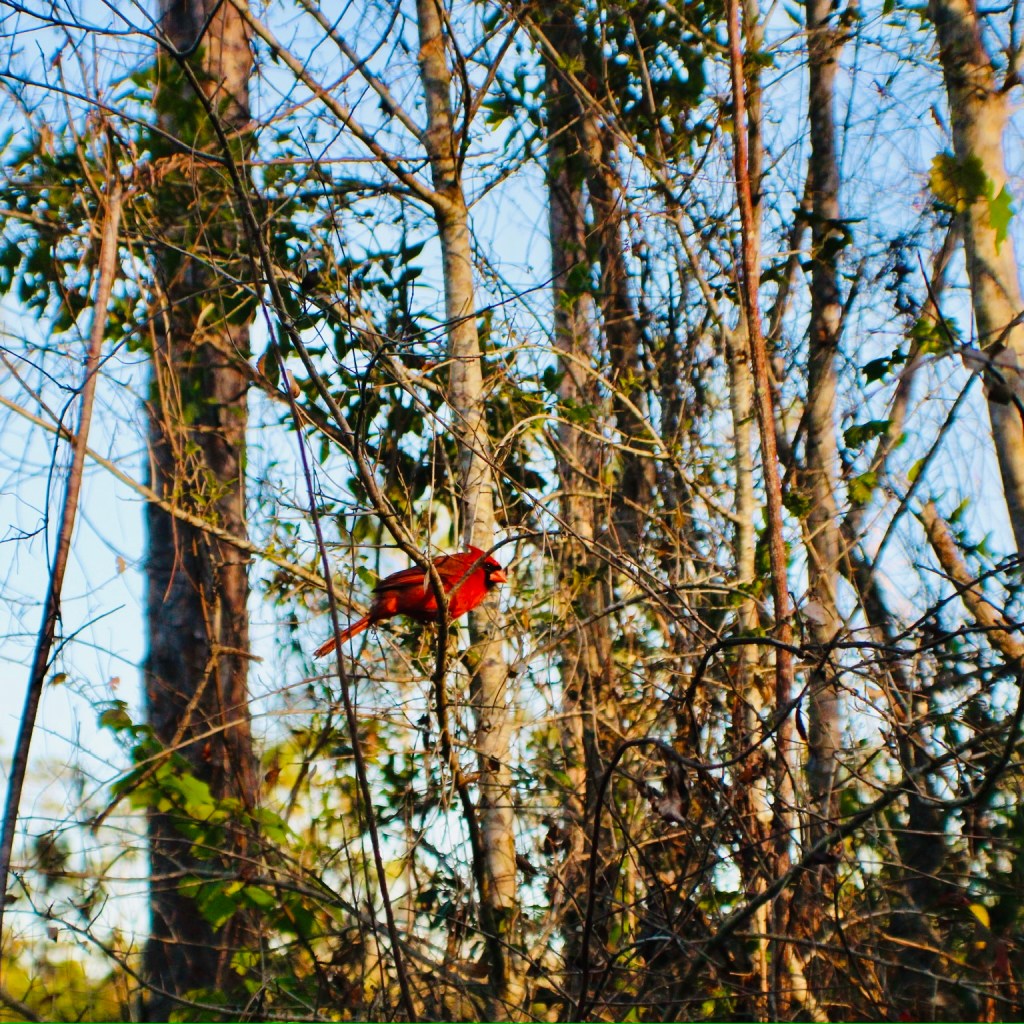


I feel like we just scratched the surface of this big, mysterious wetland.
Friday
We woke up early and gathered our remaining items to pack into the car. Then we headed out. I drove the first hour and a half, and then we switched off. When we arrived in Everglades City, we first visited this Everglades museum. It was very cute and well-designed. We read about the native Americans and missionaries, and the movie that was filmed in the Everglades. Then we stopped at Wildman’s Pizza, Pasta, and Pythons, where we met the toughest woman we have ever encountered and learned all about this guy Dusty who has a TV show and hunts pythons. It was quite an experience. Then we drove a little further and stopped at Wooten’s, where we went on an airboat ride. It was really fun and time flew by. I had a great time apart from the last ten minutes or so, when I had a silent panic attack. It was strange and sad and something I struggled with for the remainder of the day. I’m not entirely sure why. Something inside of me was not right and I was just incredibly anxious about the trip. Thankfully it eventually subsided. At Wooten’s we bought some postcards, and we then drove a bit further down the road to the world’s smallest post office and mailed them to our relatives. We stopped at a small visitors’ center to use the bathroom. And then we continued on our journey. At one point we sang along to worship music, and it was so nice. We made it to Everglades National Park and our campground that evening, and we began to move in. Hunter made a nice, comfortable bed for me inside the tent out of blankets, a yoga mat, and two sleeping bags. We got a fire going and Hunter made us dinner. Sausage and potatoes. We ate by the fire and just sort stared off. We were exhausted. We went to bed fairly early.
Saturday
I slept so well! For the most part. When we woke up, Hunter made us oatmeal, and I tried to set up our shade structure. After eating our oatmeal and discussing the events that had transpired the previous day, we took a little “drive.” Then we went to the big Everglades visitor center, where we got to watch a documentary (!) and learn more about the history and ecology of the glades. They had a pretty deck that looked out over the borrow pond where I sat in a rocking chair for a while. We learned that the birds you see depend largely on the depth of the water in a given area. These are wading birds, so the water depth needs to be appropriate for them to be able to wade. After visiting the visitors’ center, we traveled to a pretty picnic spot on the water and made hotdogs. It was so peaceful and nice. I really liked that time. It was too hot to take any breaks, so after lunch we headed right along to the next visitors’ center that was also a trailhead for two trails. Hunter was tired and needed a minute, so we waited in the car for a bit. Then we went on the “gumbo limbo” trail, or something like that. It was nice and shaded and felt like walking through a pretty, dark forest. It was short though. Then we did the anhinga trail, which was awesome yet hot. We saw the most creatures on this trail probably. Tons of anhinga. And one alligator. I enjoyed using my binoculars. After this, though we were tired, we had to keep moving so as to avoid the heat. We traveled down the road to the “pook-e-hoo” walk, or something like that. I can’t remember the name. Whatever it is, it means “wet grass” in the Native American language. Hunter really liked this spot. To me it sort of just looked like a big field of grass. But I bet at different times of the day it can look really beautiful. Okay, after this I think we headed back to our campsite and sat in what little shade we had. Hunter made us a snack of beanie weenies. I fed our resident cardinal and friends some bread. We took showers to cool off and clean up. Eventually things really started to cool down. We tried to fish, but both of our lyres got stuck in the rocks within five minutes and we had to cut our lines. So we gave up on that. Evening turned to night, and I made a fire. We had some more hot dogs. Hunter found a COTTON MOUTH right next to our fire pit, so we sat in its presence for the rest of our time outside. Hunter whittled a piece of wood. It was a beautiful night spent with our little snake friend.
Sunday
Another great sleep. In the morning, Hunter made us eggs and bacon while I cleaned out the tent and packed our things. We enjoyed our breakfast then finished packing up. We began our journey home. We stopped in Miami for some matcha. Then we turned on a really good Sadie Robertson podcast and listened to it. Our next stop was the spot I was most excited about: the Clyde Butcher gallery. It was amazing. I had learned about this guy before in art school or something, so it was so cool to be able to view his work in person. His portrayal of the Everglades is what I have always visualized of when I thought of the glades. We were actually surprised when we arrived at Everglades National Park and everything was way less wet than we were expecting. I think we were thinking more of Big Cypress mixed with wet season. Anywho, the gallery was great. I think what his wife does with the paint is really cool. Beautiful resident photographers as well. There was a little nature trail behind the house that Hunter and I walked on. It was really beautiful and felt magical. There was also a pond to the side of the house that was like peak Everglades vibes. We continued driving and then stopped at the Skunk Ape Headquarters, which was a glorified gift shop. At the next gas station, I took over the wheel and safely transported us for 50 miles on interstate 75. We listened to another podcast. When we arrived home, we were glad to be back. But also sad. There was so much left to see and do and learn at the glades that we didn’t have time for.
I really enjoyed our trip. It was nice to learn more about this place. They said that 90% of the wading birds in the everglades are gone. That is literally so sad. And ALL of the water is now human-controlled through plumbing. And we’re not managing it very well. It’s sad to think about how much we have altered this part of the world. I wish I could go back in time and see it when it was bustling with birds and panthers. Eager for the day that God makes a new Earth and I get to play with panthers and gators. But until then, I will work on my anxiety and finding my purpose and doing what needs to be done with the time I have here.
Oh also, THE STARS. Love looking at stars.

These quotes come from a Bible study plan from the Bible app…
When it comes to our work, the proper response to the redemptive world of Christ is not to seek out the work that will earn us the most fame and fortune.
The goal should be to find the work we can do most exceptionally well in service to God and his agenda to redeem every square inch of creation.
Tikkun olam = Repairers of creation
Therefore, I urge you, brothers and sisters, in view of God’s mercy, to offer your bodies as a living sacrifice, holy and pleasing to God—this is your true and proper worship.
Guided drift: one needed to live a life that was open to change, led by the Holy Spirit
and by ‘of late’ I mean of the past like 4(ish) months
Advent has begun.
Hunter: “Hey are we doing easter baskets [this year]?”
I think the reason i’ve been obsessed with decorating for christmas year is because it’s something I can control. we have to let go of control in lots of areas of our lives, all the time, and sometimes the urge to control comes back in strange ways. it used to be my eating. but i’ve given that up, glory to God. now I suppose it’s been creating this idyllic christmas atmosphere.
God gave me this realization today because as we were buying the tree and decorating the apartment, I was slightly grumpy the whole time. I had a hard time giving up tasks to hunter. and I made him re-string the tree lights, poor guy.
when life feels uncontrollable and hopeless, these are the sorts of things we cling to. we take too much possession of them and lose track of the whole point of them.
the solution varies. sometimes we have to fight back for control in certain other areas of our lives. sometimes we have to realize that God is in control, and find hope in that release and in his great sovereignty.
God grant me the serenity
to accept the things I cannot change;
courage to change the things I can;
and wisdom to know the difference.
Living one day at a time;
enjoying one moment at a time;
accepting hardships as the pathway to peace;
taking, as He did, this sinful world
as it is, not as I would have it;
trusting that He will make all things right
if I surrender to His Will;
that I may be reasonably happy in this life
and supremely happy with Him
forever in the next.
Amen.
reinhold niebuhr (1892-1971)
Lord, grant me the courage to change the things I can. 🩵
I hope WordPress is around to stay for a long time because these words need to remain published forever.
a life update + current thoughts:
what I’ve been learning lately, from God:
I’ve felt less and less drawn to write on here. even now I am having to sort of force it. but quality over quantity for the time being. goodbye

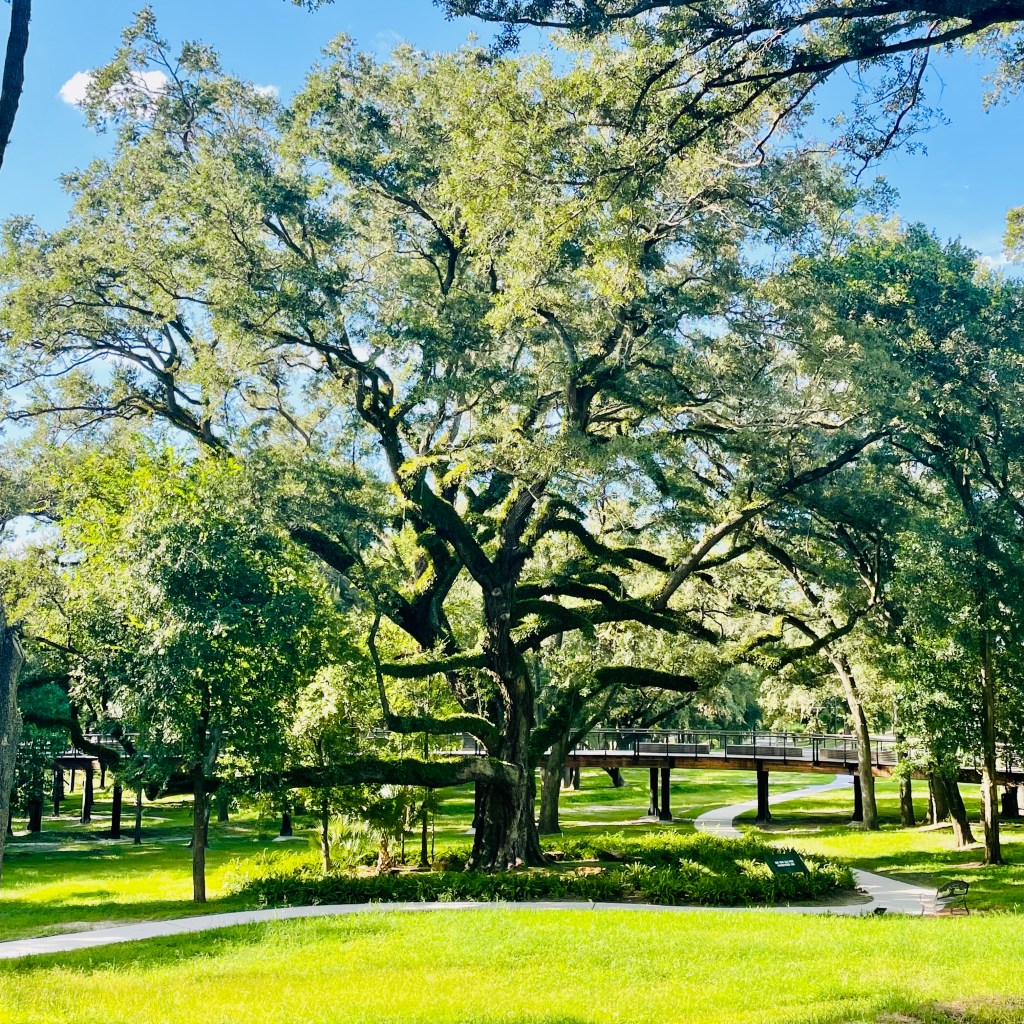

I’ve been having great weekends lately and forgetting about them too soon, so here is my documentation of this weekend.
on Friday after work we met with sherry for dinner to plan madi’s bridal shower. Panera was yummy and it was a pleasant time. then I stopped by the house to pick up my new desk chair, and I stayed a while to talk to madi + kenzie. then I headed to Publix and home, where I showered and shaved and used a hair mask and whitening strips and did all of the grooming things I love. I felt soooooo good. when hunter came home we watched parks and rec and fell asleep very late.
we slept in on Saturday, and when we finally awoke hunter went off to play pool and I crocheted a few squares. then we got ready to leave for L and headed out. the drive was long but good. we picked up Lucas and took him to this huge park nearby. hunter’s mom met us there. we tried to make it a fun day for Lucas. at the park we bought him a blue ring pop and a blue Powerade, and he barely drank the Powerade but carried it around the whole time. the park had this tiny train gallery attached to the welcome center that we checked out. we stopped at one of the playgrounds. then we walked and walked along these trails that led to an “aquarium” that turned out to be more of a nature center with one fish tank. it was hot but the park was really beautiful, and I accidentally deceived Lucas into looking for a gopher tortoise the whole time. then we walked back and got slushies, and Lucas played with some other kids at the park for a while. we dropped Lucas off back home and picked up wendy’s. then we headed to hunter’s cousin’s house to spend the night, where we watched more parks and rec.
on Sunday morning we really didn’t have anything to do, but we slept in and then headed to downtown L and walked around. we got coffee and lunch at this cafe then checked out a used bookstore which was nice. truthfully we were just trying to waste time, and it felt that way. when we got back to our car we just sat there and waited for it to be time to go to his grandparents’ house lol. we visited his grandparents in their new house and helped them load their truck. then we left to pick up Addison and Lucas for the family pizza night. the gathering was fun, we ate pizza and played games. around 7 we left to drop the kids back off and head home. Lucas made farting sounds the entire trek to their house. Hunter and my drive back to FM was long (lol), but I’m so happy to be back home now. it was a good weekend, and I hope Addison and Lucas enjoyed their time with us. it’s funny how loving someone sometimes means just showing up every now and then and spending a few hours together, doing literally anything. and these are the things that help shape eternity.
❤
“If you want to change the world, go home and love your family.”

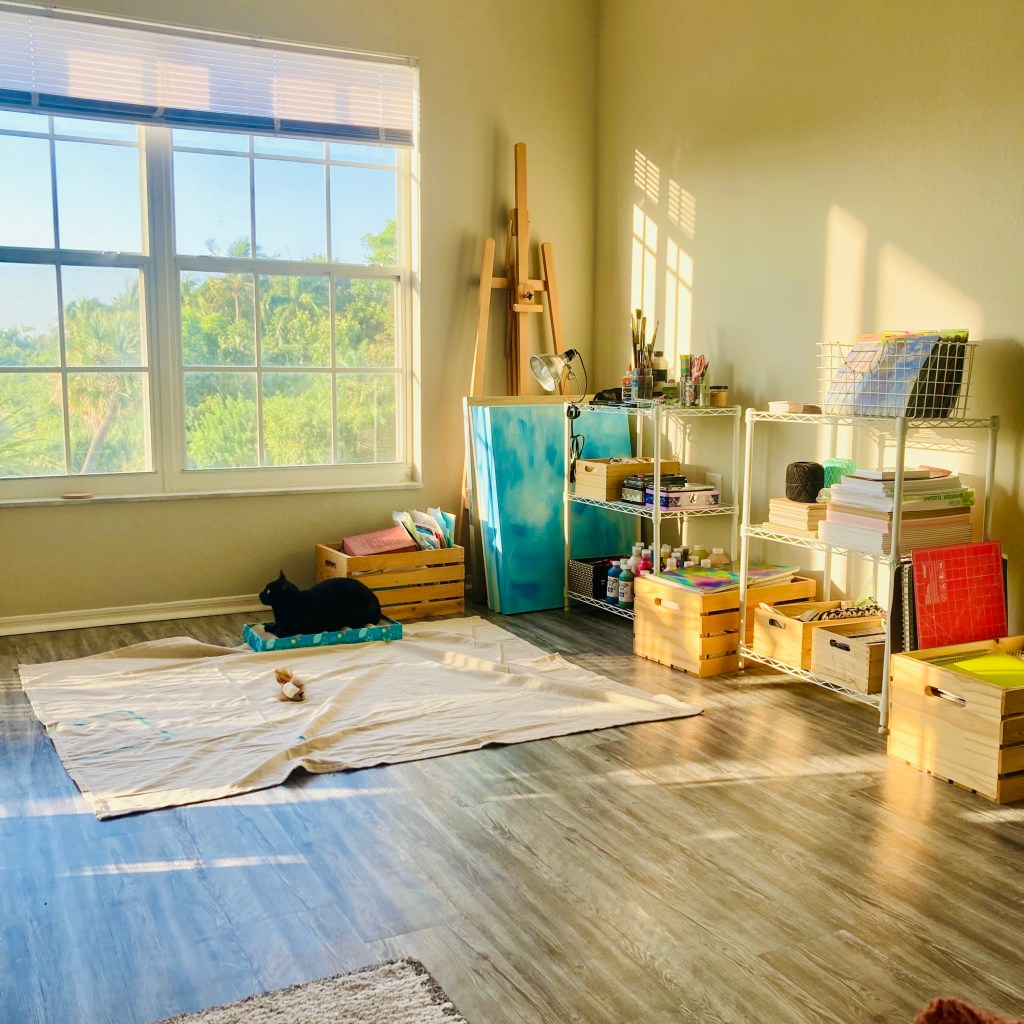

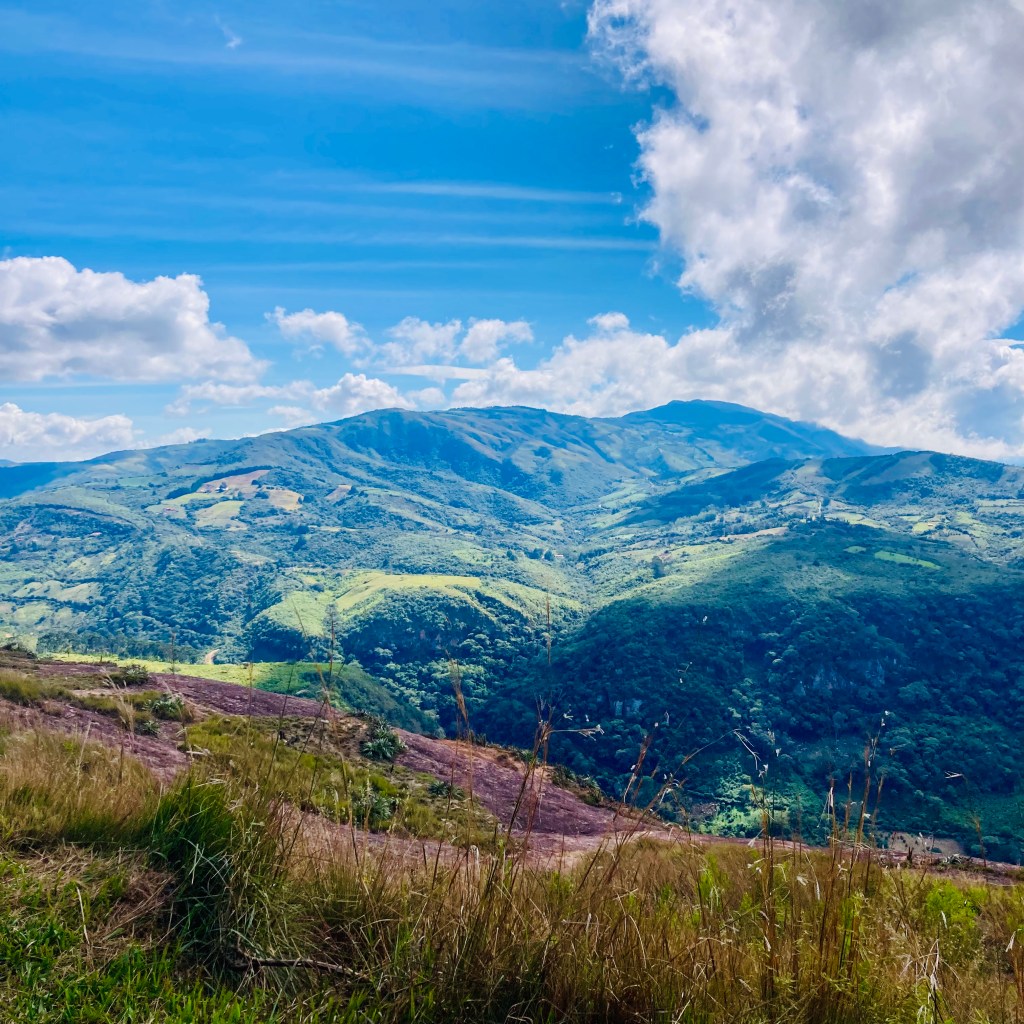
happy summer. where do I begin. life has been full of coziness and adventure. that seems so corny to say. going to Bolivia was great. the worst part has been coming back and having no very effective way of communicating with the girls anymore. some of them connected on instagram, but it’s really no good. what can we say besides hola and como estás for now? it really feels like the only thing I can do is go back. otherwise I feel like this was all in vain. i’m struggling with that a bit. with feeling like it was all in vain. it was a wonderful trip, but in the aftermath I don’t know what to do with myself. I really loved those girls, but now I don’t know if I will ever see some of them again. while we were there, everything felt like bliss. haven of hope is truly a haven. this safe little playground of happy, loving children who loved me. and it was only like two weeks ago, but it’s already slipping from my memory. Lord, if I didn’t go to haven of hope to change the orphans’ lives forever, then why did I go?
well, I can tell you some of the things I learned on this trip. that I do know.
in other news. we went to disney!! it was so much fun. it was also so hot. disney was amazing because of all of the detail that has been put into the park. it’s hard not to go there and just observe every little detail of park creation. from the diction of the “cast” members to the strategically placed AED’s to the incredible line designs. like, it’s just a lot.
our plants are doing well. work is going. change is coming. the beach is nice. paddle boarding is nice. life has been good. I pray that I respond in the best way to the trip i’ve just been on. and that I would become more charitable in my own country. and I pray for guidance on the path ahead. and I pray for brittany and kimberly and maria.
I can imagine how David felt when he wrote psalm 51. it seems like before then, he had been living in a daze. acting out of a sort of panicked impulse. looking at a naked woman and then immediately stealing her. and then freaking out about her husband and literally putting him at the front lines of a battle so that he would definitely die. these are the sorts of things that mindless people do. and unfortunately, I can relate. I know how it feels to have a brain so foggy and filled with bad news and bad ideas that thinking clearly is impossible. every action is desperation. we shove the holy spirit’s voice into a deep tiny corner of our heart as we completely ignore it and any other concept of reason. it is hard to escape a bad lifestyle in the thick of its crutches.
I love this verse:
Behold, you delight in truth in the inward being,
and you teach me wisdom in the secret heart.
here is the commentary for it:
the proper posture of the penitent is to crave a fresh sense of God’s presence, a deeper purification of the mortal life, and a credible witness to the unfaithful. the focus is on the inmost self, from which obedient actions flow: inward being, secret heart, clean heart, right spirit. the goal of this confession is not self-abasement but a renewal of the joy and gladness that the faithful have in God’s presence.
(I italicized my favorite parts)
david’s eyes have been opened, and he begs God to renew his heart. and it’s that simple. david impregnated a woman and killed a man. and as he asks God to wash him as white as snow, God actually does it.
it starts with the secret heart, our inmost self. the unseen. there is so much in the Bible about the seen vs the unseen. what is unseen is eternal.
as I reflect on our first year of marriage, it all went so well. but I actually do have a regret. there were many good moments; it was a good year. I just wish that I had sought the Lord’s renewal more frequently. daily. the marriage part was great. but the rolling out of bed and immediately clocking into work and consuming so many podcasts and youtube videos and ads…it has left me feeling oversaturated and also empty. I know that day by day we are being renewed, but this next year, I want to feel that. I don’t want to wake up and immediately degrade all that renewal. I don’t want to have to wait until 10pm to finally be able to think clearly. there were some times when I did really well. but as I look back overall, I feel a sense of missing out on solitude. there is so much in the Bible about Jesus going away to a desolate place. he snuck off all the time. he also worked his butt off. Jesus was the busiest and most important man ever; if he was able to make time for himself to be alone and pray, then…
I imagine that david recited this song frequently. I don’t think it was a one and done thing. that is why the psalms are written down. so that we can recite them as much as we need. and we need to often, it’s so good for us. one day at a time.
https://www.blueletterbible.org/faq/don_stewart/don_stewart_609.cfm
^ the best piece I’ve read on this. and I’ve read and heard a lot.
He has made everything beautiful in its time. Also he has put eternity in their hearts, except that no one can find out the work that God does from the beginning – Ecclesiastes 3:11
*look more into biblical archeology
intelligent people have been christians forever, and there are some excellent thoughts out there. I don’t think it’s “stupid” for christians to be wary of evolution or to not accept it, which is how some theistic evolutionists come across to me – as if it’s so obvious and to deny it is stupid.
…universal evolutionism is a kind of optical illusion, produced by attending exclusively to the [chicken’s] emergence from the egg. We are taught from childhood to notice how the perfect oak grows from the acorn and to forget that the acorn itself was dropped by a perfect oak. We are reminded constantly that the adult human being was an embryo, never that the life of the embryo came from two adult human beings. We love to notice that the express engine of to-day is the descendant of the ‘Rocket’; we do not equally remember that the ‘Rocket’ springs not from some even more rudimentary engine, but from something much more perfect and complicated than itself—namely, a man of genius. The obviousness or naturalness which most people seem to find in the idea of emergent evolution thus seems to be a pure hallucination. – CS Lewis
to listen to soon:
I love how highly they speak of one another
“my whole philosophy is when the good lord gives you an opportunity to make a difference, what to you do with it? do you sit on the side lines? do you enjoy the cocktail parties? or do you get out and put yourself into the arena and try to make a difference on behalf of the people?”
in no particular order
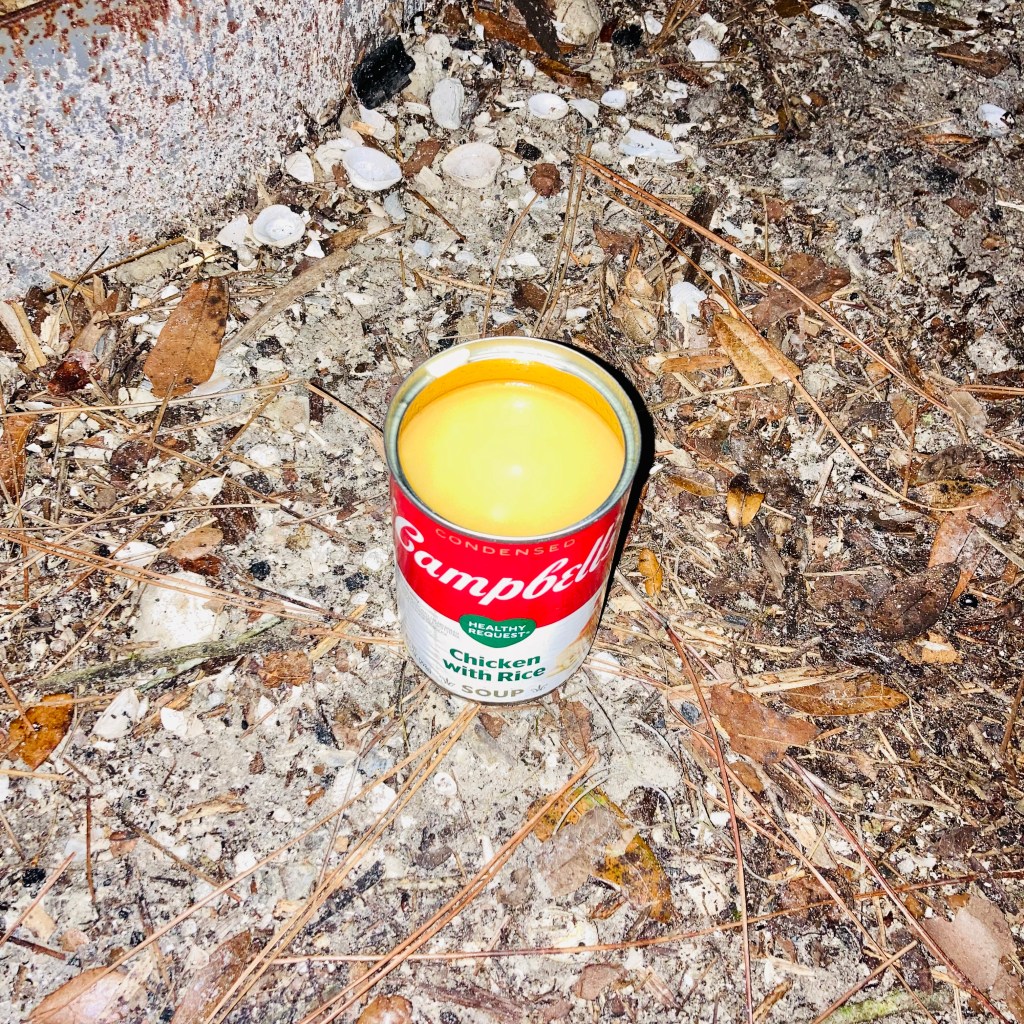
that time we went camping with just two cans of soup

DISNEY ON ICE

j + j’s wedding
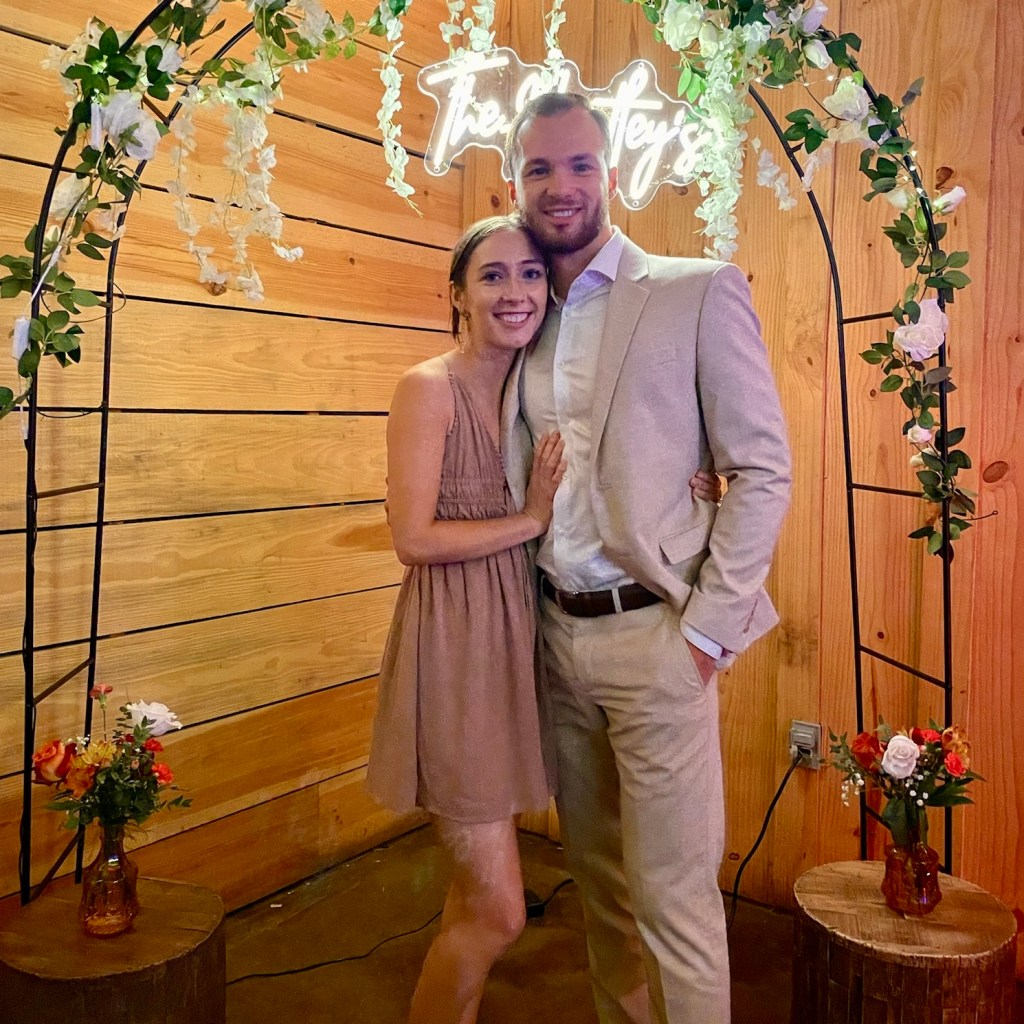
c + c’s wedding
(not pictured)
s + j’s wedding
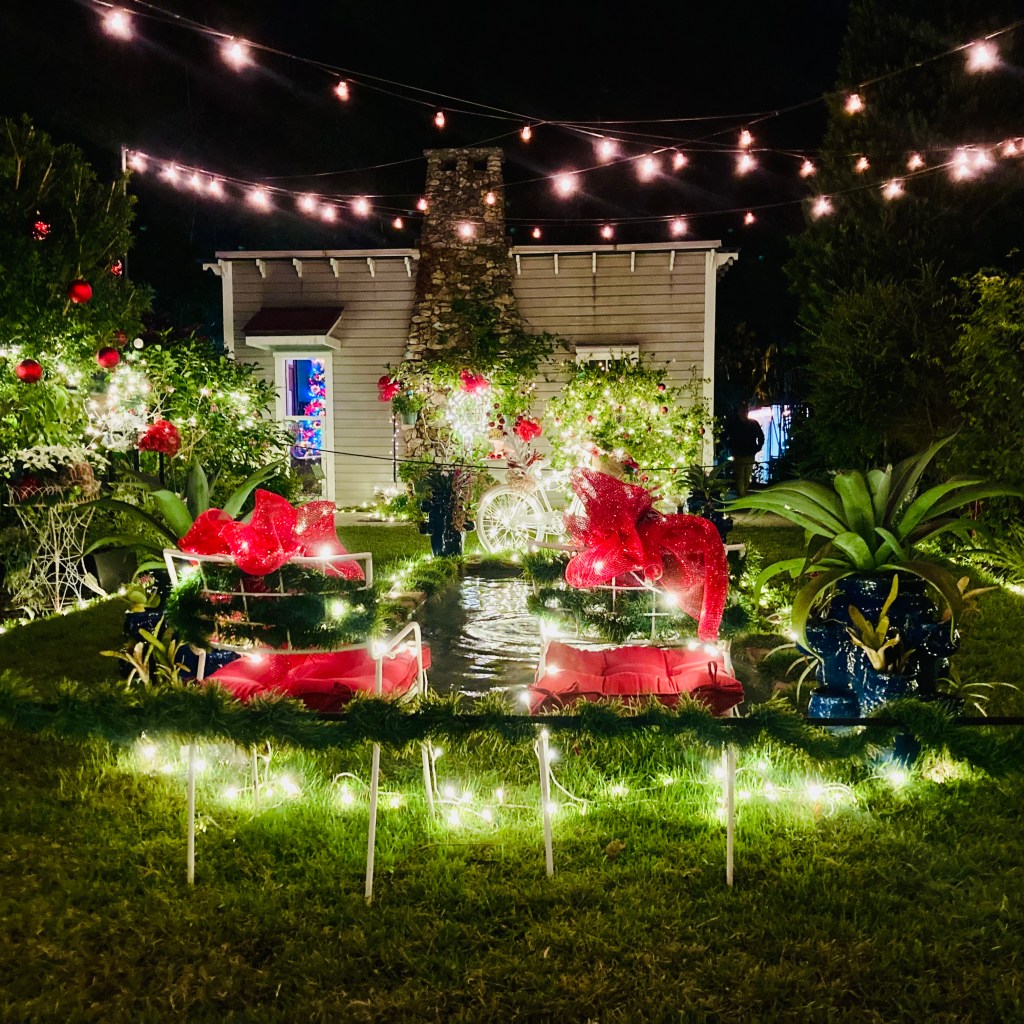
the start of a wonderful holiday season
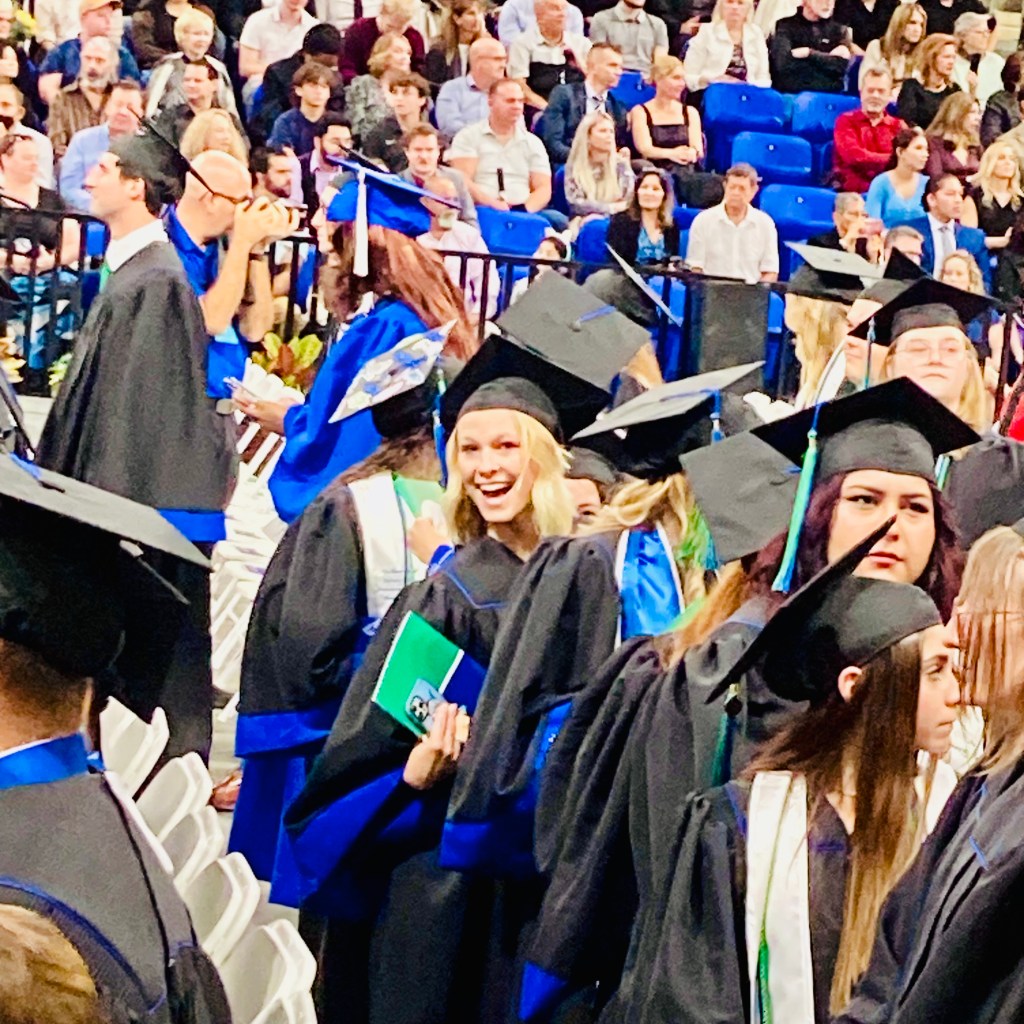
k’s graduation

a new home!!!!

valentine’s day

so much of marriage is just moments like this

the evening we went biking

tennessee in 2022

that other time we went camping and it rained
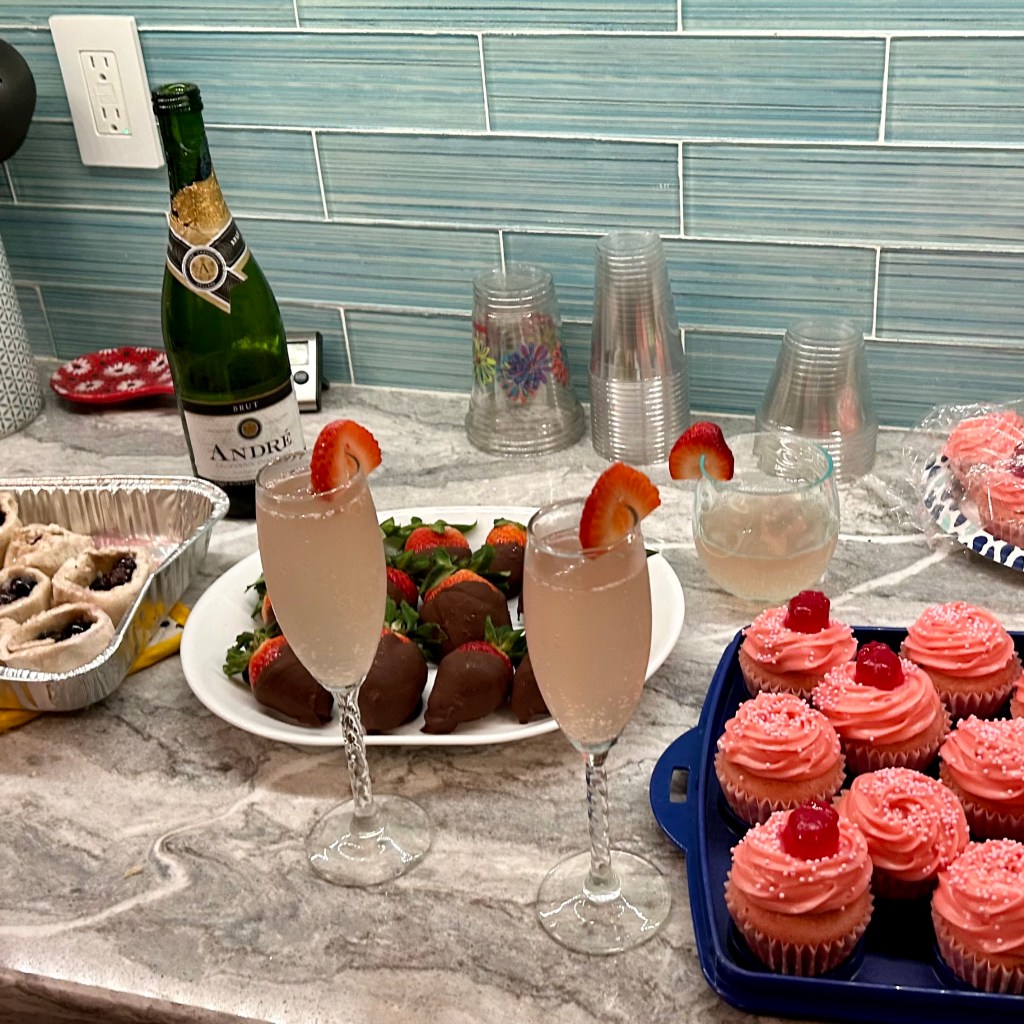
sister night

visiting sanibel to check out the new chicos store

when h’s mom came to visit
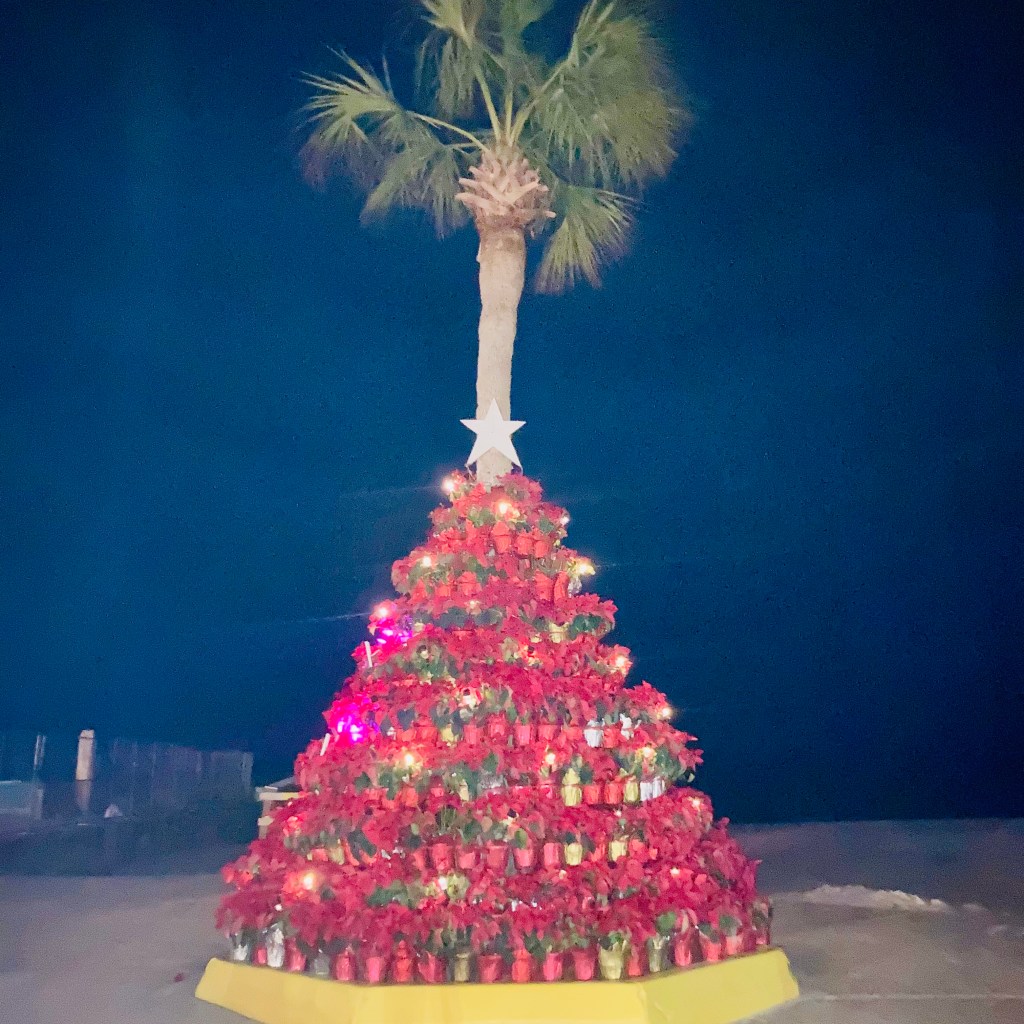
christmas @ FMB

oh yea, my bday!

easter sunday

the sweetest evening ❤
for a moment, the world was our playground.
yay for spring.
(not pictured)
– helping with the cats
– easter with h’s fam
– continual packing
– the perfect cup @ matlacha
– running with k
– the beach
– international day of Meg
– nate bargatze
– good friday
– reading the newspaper
change is hard. I feel like I have changed, and it scares me because I am worried that I am losing a part of myself. I want a personality test to tell me who I am, but apparently the enneagram is demonic or something. I used to really like who I was, or who I felt like I was becoming, but now I don’t even know who that is. and charlie kirk said that when women hit thirty they are no longer as attractive as they were, and i’m four years away from being thirty. I don’t even know who charlie kirk is but I know that he said that from twitter. so i’m wondering if my attractive years are over and the rest of my life will be spent cleaning the house and driving children around. and not having pretty things anymore. I don’t write on this blog much now. and that makes me feel like i’m losing myself. I do have things to write still, I just haven’t made the time. but also, I can feel myself thinking differently now. my brain has changed. I don’t know how to cling to who I was five years ago, but for some reason I feel like I need to.
“only a fool thinks he can always do what he’s always done.”
there are a lot of women who lose themselves for the sake of their family. it is a scary thing to let go of, one’s sense of self, but maybe it is necessary. I don’t know.
keeping this page open all day
”Let all that I am praise the Lord. O Lord my God, how great you are! You are robed with honor and majesty. You are dressed in a robe of light. You stretch out the starry curtain of the heavens; you lay out the rafters of your home in the rain clouds. You make the clouds your chariot; you ride upon the wings of the wind. The winds are your messengers; flames of fire are your servants. You placed the world on its foundation so it would never be moved. You clothed the earth with floods of water, water that covered even the mountains. At your command, the water fled; at the sound of your thunder, it hurried away. Mountains rose and valleys sank to the levels you decreed. Then you set a firm boundary for the seas, so they would never again cover the earth. You make springs pour water into the ravines, so streams gush down from the mountains. They provide water for all the animals, and the wild donkeys quench their thirst. The birds nest beside the streams and sing among the branches of the trees. You send rain on the mountains from your heavenly home, and you fill the earth with the fruit of your labor. You cause grass to grow for the livestock and plants for people to use. You allow them to produce food from the earth— wine to make them glad, olive oil to soothe their skin, and bread to give them strength. The trees of the Lord are well cared for— the cedars of Lebanon that he planted. There the birds make their nests, and the storks make their homes in the cypresses. High in the mountains live the wild goats, and the rocks form a refuge for the hyraxes. You made the moon to mark the seasons, and the sun knows when to set. You send the darkness, and it becomes night, when all the forest animals prowl about. Then the young lions roar for their prey, stalking the food provided by God. At dawn they slink back into their dens to rest. Then people go off to their work, where they labor until evening. O Lord, what a variety of things you have made! In wisdom you have made them all. The earth is full of your creatures. Here is the ocean, vast and wide, teeming with life of every kind, both large and small. See the ships sailing along, and Leviathan, which you made to play in the sea. They all depend on you to give them food as they need it. When you supply it, they gather it. You open your hand to feed them, and they are richly satisfied. But if you turn away from them, they panic. When you take away their breath, they die and turn again to dust. When you give them your breath, life is created, and you renew the face of the earth. May the glory of the Lord continue forever! The Lord takes pleasure in all he has made! The earth trembles at his glance; the mountains smoke at his touch. I will sing to the Lord as long as I live. I will praise my God to my last breath! May all my thoughts be pleasing to him, for I rejoice in the Lord. Let all sinners vanish from the face of the earth; let the wicked disappear forever. Let all that I am praise the Lord. Praise the Lord!“
Psalms 104:1-35 NLT


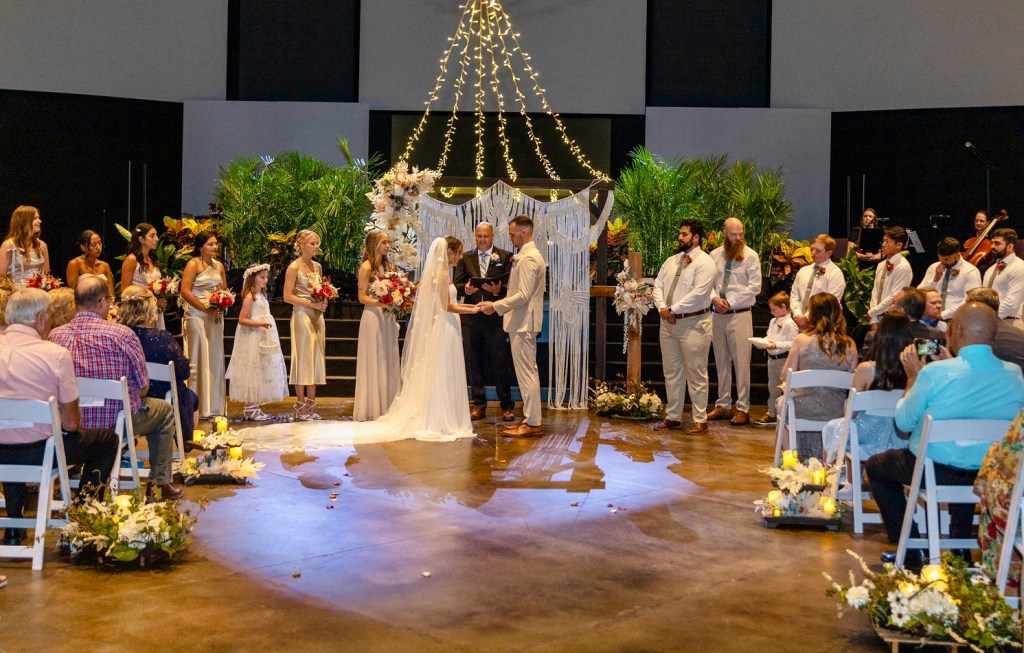
i’d live the whole year again for this moment : )
franck has the most good-natured heart. Immediately content in any moment. I miss him. I pray that he is being a light where he is, that god will use that sweet little cat’s life for good
—
“I like simple, clean. Efficient.”
sometimes I like that too, I don’t know. sometimes I want nothing in a space besides a blanket on the floor. and sometimes I want all of my memories sprinkled everywhere, with a rug and throw pillows and lights and everything that reminds me of New Mexico in my view. i like objects that remind me of something. a memory, a place, piece of my heart. I also like beauty. beauty makes me happy—no, joyful. when it all becomes too much, that’s when I minimize. I purge. whatever feels like clutter or grit, I throw away.
—
at what age can you no longer be a little girl figuring it all out. at what point do I become like the women at chicos, who wear big necklaces and pantsuits. i can’t picture myself ever in a big necklace. but I couldn’t picture myself with a big diamond on my finger either. at what point does acting like a child start to look like it doesn’t fit anymore, like things would just be better if you became a young woman, whatever that means. I loved my early twenties, I had so much fun. but I was also trying everything because I didn’t know what I liked, who I was, etc. this time now, it’s gentler but no less meaningful. you don’t have to be going on an adventure to have an adventure. what makes one boring is not the lack of times they’ve been drunk. “live a little.” I am living. I’m having the human experience. life is hard for a majority of people on the globe. nothing makes you more empathetic than experiencing the same thing.
—
“you learn in the light what you’re gonna need in the dark”
—
from 3/10/21 ^
—

—
“you don’t understand, you’re not a man.”
I guess I don’t. It’s tragic what the corruption of humanity does to us all. I spent more than a decade telling myself that I wasn’t enough, but it wasn’t true. But satan tells the ones I love most the same thing about me. but of course it isn’t true. how can we encourage one another when satan has a hold on our own minds as well. “you’re beautiful just the way you are,” he says, but sometimes he wonders if I am. we know what the truth is. we’re just flawed. but we’re working on it, and God is our north star, the constant light and truth that never leaves us and guides us back to where we’re really supposed to be.
—
life happens six months at a time ❤

i’m so grateful for christmas again. a year ago is such a blur. it’s like the entire community barely celebrated last year, how could they, and we’re all making up for it now. it’s really wonderful. ian is finally far enough that in hindsight we’re able to celebrate a bit more how much has been done. it’s amazing how in the wake of a natural disaster, life becomes a blur. it’s inevitable. the shock and exhaustion that consumes a whole community for a year. even the wedding and engagement is such a blur to me now. and for a year now i’ve been meaning to write down exactly what happened on december 27…
well, I guess the story technically starts that september, when me, h, s, and m were all in tennessee. it was the boys’ first time visiting and meeting some of the family, and the trip had been full of pals, pretty fall hikes, card games and probably some football. it couldn’t have been going better. on one particular day we decided to go to irwin to hike this waterfall trail we’d read about. finding the trailhead took quite a while, but eventually we did, and the beginning of the trail was very beautiful and mossy. none of us realized just how steep it was going to be. so we hiked and hiked, and stopped many times along the way. there were several nice spots that we thought about stopping and turning around at—none of us were sure just how far the top would be and if the view would be worth it. at one point we thought we may had reached the top because the rest of the trail upwards looked rocky and a little unkempt. but h and I decided to keep going. so we climbed and climbed, and then, we turned the corner and were struck with this beautiful waterfall oasis. it was a stunning moment, seeing this grand quiet spot hidden in the middle of irwin, Tennessee. it was a haven. amazed and in awe, h and I sat below the waterfall and took in our wonder. we kept exclaiming to each other how incredible it was, and then it got quiet. and as I looked out among one of the most beautiful sights i’d ever seen, I heard h say, “I will marry you someday.”
fast forward to when we arrived back in fort myers. h was having chest pains, and we spent the night in the hospital until five am. just a few hours later in the morning, sirens went off downtown and someone in the streets shouted in a megaphone to evacuate. so we spend the next two or three days at my parents’ house. I remember when the flooding started, we were both so grateful to have each other. that night as everyone slept on blow up mattresses in the floor h and I whispered to one another until we both finally became sleepy.
I remember one night on our way to visit my family in the condo, h and I were talking about marriage at publix. “you’re going to have to ask my dad you know,” I said. and when he smiled and said he already had, I fell to the floor in disbelief…
anyway, we went back to tennessee the day after christmas. and on our first day in town, k, j, m, s, h, and I had all decided to hike the falls again, on account of the fact that k had never seen it I was told. the water was frozen this time, and snow still remained along the trail, which made this hike especially beautiful. I remember at one point I had stopped to look at something, and h told me to hurry and I was like what the heck, lol. I was especially sleepy that morning. well, we got to the top and the waterfall was frozen over, it was gorgeous. I was wandering around and h came up to me and hugged me. then he said that he had my last christmas present. I immediately thought he was giving me a sweater. but instead he pulled out a little wooden box, and he got on one knee right there, and I was in shock! I was like, oh my gosh really you did all of this and he was like yea well you’re pretty gullible. we talked for quite a while. he explained how he had pulled it all off and how he had made the box he was holding. and then he held my hand and said, “this represents my promise—well not yet, but—my future promise to always love you…” and he said that God has given him a beautiful piece of nature to love and take care of forever. to always be with him.
it was absolutely lovely. and this year has followed, and what a good year it has been.


last week’s mini vacation was so much fun, I took so many deep breaths. nice, healthy deep breaths. my body was at peace. on friday we finished working and took off, and as we were walking to the car Hunter told me that he’d just gotten the full time position. praise God. he answered our prayers. five minutes before we arrived at our airbnb, hunter found out that we were staying at a motel, which apparently I hadn’t communicated to him. so he understandably seemed a bit in shock when we first arrived. we toured the premise and found ourselves at a wild tiki bar in the back of the parking lot. ah, florida. we spent the night eating taco bell and watching the new spiderverse movie, and we fell asleep to one punch man.
on saturday I woke up early as promised, and we headed to ami: the part I used to go to as a child. how wild that the place we vacationed to during my childhood is now less than two hours away from where we live. it truly looked the same as it always has. we found a perfect parking spot and then walked down memory lane/Pine Avenue. it was cold so I wore my blue blanket. we stopped at the jail. and we got coffee + hot chocolate at this donut shop. we walked back to the beach and sat there for about an hour. it’s such a beautiful spot, white sand and pretty waters. it was a little chilly, and at one point hunter and I laid on our towel, and I wrapped myself in my blanket and felt like a cat does when he’s content and purring, all warm and cozy in his fur. deep breath. for lunch we walked back to a taco shop on pine ave. it was delicious. then we walked around a bit more and then headed to the aquarium.
on our way to the aquarium a cop pulled us over because hunter’s tags were expired. a minor setback, the cop was very friendly. the aquarium was so much fun. the cuttlefish were incredible, as were the jellyfish, and the giant squid, and the sweet playful otters. we paid $3 to have a hairdryer blown at us. the tarpon tank was really cool as well. the mote also has a bird rehabilitation center so we walked around that too. when we were done at the aquarium we decided that we were way too tired to go paddle boarding, so we headed to this tourist street along ami and got some coffee. that coffee spot was so cute; my matcha was really good. they had some sort of electronic table with arcade games on it, so we played a few of those. then we sat outside and sipped our drinks. we walked around for a bit, bought some gifts at a souvenir shop, and then drove back to the north for ice cream at two scoops. we walked down the pier as we ate our ice cream. at the end we turned the corner to find a dj and a congo line. ah, florida. we sat on the pier until we got too cold, then we headed to chickfila and then the motel. at the motel we ate chickfila and old wine, and we watched ridiculous 6, which is absolutely stupid but also I found it amusing.
Sunday was an early morning again (I was on a roll). we headed to beercan island, where hunter used to go. it was a wonderful spot. we hammocked within this secluded treed area. a few large trees had fallen and their root systems sat high above the ground; people had hung seashells and trinkets on them, and also painted the tree trunks. such a nice spot. deep breath. we stayed there for a while, listening to the sermon and reading on our own. for lunch we went to another part of ami I had never been to. we sat outside in front of the water and had seafood. it was aight, the view was great, and that was a fun area too. after that we drive to the ringling museum. it’s an odd location, just sort of nestled in the commercialized roads that are sarasota. but once you enter the grounds, the atmosphere feels very different. the art museum was neat—especially the courtyard in the center of the building. I wish i’d taken more photographs. we didn’t care too much for the circus museums. the house, Ca’ d’Zan, was beautiful; we didn’t go inside, but we walked around it and stood on its giant back porch. john ringling seemed like a fascinating man, I want to learn more about him.
after exploring the grounds for a few hours, we got back in our car and headed to publix for camping food. we arrived at the campground as the sun was setting, so I quickly set up the tent as hunter began cooking. hunter was so in his element. he whipped out his burner stove thing and one of our pans and made us a meal in the great outdoors. I’m pretty sure he was singing to himself. the food was delicious. the potatoes were a little undercooked but at that point we would have eaten anything and loved it. we went on a walk around the campgrounds and found a swing set. then hunter made a fire and we sat around it and popped popcorn. I was plum tuckered out at that point. we bundled up in our tent and slept among the stars. i’m not much for sleeping on the floor but this was the best it’s ever went for me. : ) in the morning hunter woke up pretty early, and he made me oatmeal and hot chocolate when I got up. to savor what little time we had left at the campground, we went paddle boarding. it was SO peaceful. hunter fished as I wandered around. at one point I laid on my board and closed my eyes. the sun felt so nice. deep breath. when it was time to head back, a bird started swimming along with us and it was the sweetest thing. eventually two more birds joined in. apparently in that area, cormorants do this often to try to catch the fish that swim out from under the paddle boards’ shadow. by the time we got back to our site after this enjoyable setback, we had ten minutes until check out. we packed up as fast as humanly possible and drove away right as the park ranger was pulling into our lot.
we drove to the fort and walked around it. such a nice area, and right next to a lovely beach. then, it was time to trek to the grand finale: zootampa. (angels singing). we were pretty tired by the time we got to the zoo, but it was still so much fun. we took a tour of the manatee medical center and learned all about that. then we had a yummy lunch + dipping dots. it’s been so long since i’ve been to a zoo, it was great seeing all of the animals. the giraffes were great. and so were all of the monkeys. really all the animals were great. it’s a very nice zoo, well kept. we didn’t get to see our favorite character from the tv show unfortunately, but at least we stood where she’s stood.
AH. and that’s it. we headed back after that. it was soooo nice, getting away from work and computers. and just existing. I’m grateful for my travel buddy. even the long drives to and fro were enjoyable with him. we did a whole lot in three days but I wouldn’t have it any other way. and the restful times at the beaches + paddle boarding were just right. i’m grateful to have a friend who cares just as much about writing down all the details as I do (s/o to hunter’s blog). i’m grateful to god for such an amazing getaway. praise be ❤
my only regret is not taking more photos! I need to get that disposable developed : )
“I don’t take any responsibility for the lunatic fringes of my own religion” – JK Rowling

I did not realize how much of an anxious person I am until recently. well, truly I’m not sure if it’s right to label anyone as an “anxious” person. because that’s like calling someone a sad person or an excited person—no one is sad or excited all of the time. maybe I have my anxious moments. maybe i’m prone to being anxious in certain circumstances. maybe there’s a certain set of conditions unique to each individual that causes each to moil in anxiety. anyway, I think the truth is that i’m a perfectly healthy human being. but sometimes I convince myself that I am dying or that my heart will stop at any moment. we can’t live our lives worrying that our heart is just going to suddenly stop doing the thing it is supposed to do that makes us alive. we just have to trust it, or trust God, for the time being. let go of what we can’t control. a video I once watched said, “the distance between our ideal for our lives and the reality of our lives, that distance is directly proportional to our anxiety levels.”
prayer + thanksgiving is the supposed key to anxiety relief. and I wonder if it takes a long time, if it’s like addiction recovery, a trust-the-process situation.
because it was a good weekend 🫠
Friday:
– went to the event at the gathering house and got some free chili. it was nice, lots of good people
– ordered some pizza and cannolis and watched some of wreck it ralph 2
Saturday:
– slept in and had pizza for brunch
– went with h to the dive shop to buy my very own bcd
– shopped around target for containers and whatnot
– stopped at chickfila 🙂
– came home, then went to the house to oil paint some apples with k + a
Sunday:
– went to church
– went to the beach and painted + read. it was so nice
– family dinner
it hit me tonight that most of my childhood was actually in the same house. we didn’t move until I was in fifth grade. but that was when the cute phase ended anyway. the best years of childhood were all in that gray house in rowlette texas. kindergarten through fourth grade. my parents talk about that place like it was run down and small, and all that they could find or afford when they were moving to texas. but I remember it as the house with the pink walls in our room, where I got to sleep in a top bunk bed. I remember lining up all of my stuffed animals on my bed and talking to them, and truly thinking that I wasn’t alone. I remember setting up our play kitchen in the closet and using it as my detective desk. and just sitting, in the closet, waiting for someone to approach me to solve a mystery. playing outside. running around one of those hose sprinklers in our swimsuits. putting leaves on the end of sticks and pretending to roast marshmallows around a pretend fire. so much pretending. so much playing dress up.
I haven’t been able to remember my childhood lately. I think it’s because I forgot where it took place. but it’s all coming back to me now. that was a nice time, yeah.
I thought this dog was going to sleep but apparently she gets up every half hour and starts pacing around again. lol. having two pets in my apt tonight reminded me of how I used to surround myself with stuffed animals as a kid, to feel like I had company. I am realizing more and more that I don’t like sleeping alone. in college sometimes I would sleep with my bible in my bed because it made me feel comforted. of course, we are never really alone. I will cherish the memories of nights with only god and my cat. the sweet moments when astrid lay down next to me that only god and I witnessed. but truly, i’ll be so grateful to sleep next to h. companionship is such blessing. ok goodnight
hmm. i’m starting to remember why I blogged so much when I lived alone. because I was LONELY. I didn’t even have a TV. lol. I used to think that my best self came from me being alone, but now I don’t think so. I was just different. very reflective. i’m not sure if I still am and have just been busier, or if maybe things are changing. I don’t know. but anyway, here’s what’s been going on.
okay well, bye
*what I was talking about:
Always be glad because of the Lord! I will say it again: Be glad. Always be gentle with others. The Lord will soon be here. Don’t worry about anything, but pray about everything. With thankful hearts offer up your prayers and requests to God. Then, because you belong to Christ Jesus, God will bless you with peace that no one can completely understand. And this peace will control the way you think and feel. Finally, my friends, keep your minds on whatever is true, pure, right, holy, friendly, and proper. Don’t ever stop thinking about what is truly worthwhile and worthy of praise. You know the teachings I gave you, and you know what you heard me say and saw me do. So follow my example. And God, who gives peace, will be with you.
Philippians 4:4-9 CEV
Religion that God our Father accepts as pure and faultless is this: to look after orphans and widows in their distress and to keep oneself from being polluted by the world.
James 1:27 NIV
“We have a great dream. It started way back in 1776, and God grant that America will be true to her dream.”
– Martin Luther King, Jr.
“Let every nation know, whether it wishes us well or ill, that we shall pay any price, bear any burden, meet any hardship, support any friend, oppose any foe, in order to assure the survival and the success of liberty.”
– John F. Kennedy
“Let us raise a standard to which the wise and honest can repair…” *
– George Washington
“The principle of free governments adheres to the American soil. It is bedded in it, immovable as its mountains.”
Daniel Webster
“Whatever America hopes to bring to pass in the world must first come to pass in the heart of America.”
– Dwight D. Eisenhower
“For this is what America is all about. It is the uncrossed desert and the unclimbed ridge. It is the star that is not reached and the harvest sleeping in the unplowed ground. Is our world gone? We say ‘Farewell.’ Is a new world coming? We welcome it–and we will bend it to the hopes of man.”
– Lyndon B. Johnson
“Every generation has the obligation to free men’s minds for a look at new worlds…to look out from a higher plateau than the last generation.”
– Ellison S. Onizuka
“May God continue the unity of our country as this railroad unites the two great oceans of the world.”
– Inscribed on the Golden Spike, Promontory, Utah, 1869
“The cause of freedom is not the cause of a race or a sect, a party or a class–it is the cause of humankind, the very birthright of humanity.”
– Anna Julia Cooper
* This was said by Washington at the Constitutional Convention. The full quote, written on the Arch at Washington Square Park is this:
“Let Us Raise a Standard to Which the Wise and Honest Can Repair. The event is in the hand of God.”

madeline l’engle
healers, listeners, servants

alliance of the arts newsletter
date night tonight. it was my turn to plan it. choose each other’s outfits and then go to joe’s crab shack, where we’ve talked about going forever. and wow, it didn’t disappoint. the interior was so fun, and pretty empty due to the rain and the fact that it was an off-season thursday night. a table right in front of the window as the sun was starting to set, it was perfect. we were overwhelmed by the menu and talked excitedly for ten minutes about all of the possibilities we could order. we decided to get the crab dip appetizer and snow crab bucket (when in joe’s crab shack…), and I was literally giddy about how good everything was going to taste. as we waited for our food we decided to pull out the would you rather cards we had brought, but just as I took them out of my purse a man in a suit approached our table and started performing magic tricks at us. we were like, what the heck that was the greatest thing ever. our appetizer arrived as he was performing, so we dug in and it was so delicious. we answered some would your rather questions. then our crab legs arrived, bibs and all. hunter had never eaten crab before, and he literally said “wow” every time he took a bite for at least the first five bites. suddenly we heard clapping and then an epic sailor’s birthday chant. when another birthday celebration happened five minutes later, hunter looked at me and asked if we were in heaven. “look at us,” he said, “we’re wearing bibs, eating crab, there’s a magician, and it’s everyone’s birthday!”
then we had fifteen minutes of intense crab leg eating. and just as we were finishing up our meal, a drunk man fell to the ground and started seizing. at that point we and two older ladies at the bar were the only customers left. the crew crowded around the man on the floor and someone called an ambulance, which took forever to arrive. it was the most bizarre scene to be a witness of, this guy suddenly in critical condition on the floor of joe’s crab shack. once the ambulance arrived and took him away (I think he’ll be okay), hunter and I finally left and the staff apologized profusely, to which hunter replied that this had been the most entertaining dinner we’d ever had and we would certainly be back. It was a great night! literally joe’s crab shack lived up to everything I was hoping it would be. photographic evidence:

we were SO HAPPY
p.s. we spent our entire eating-out budget for the next two weeks, but it was WORTH IT


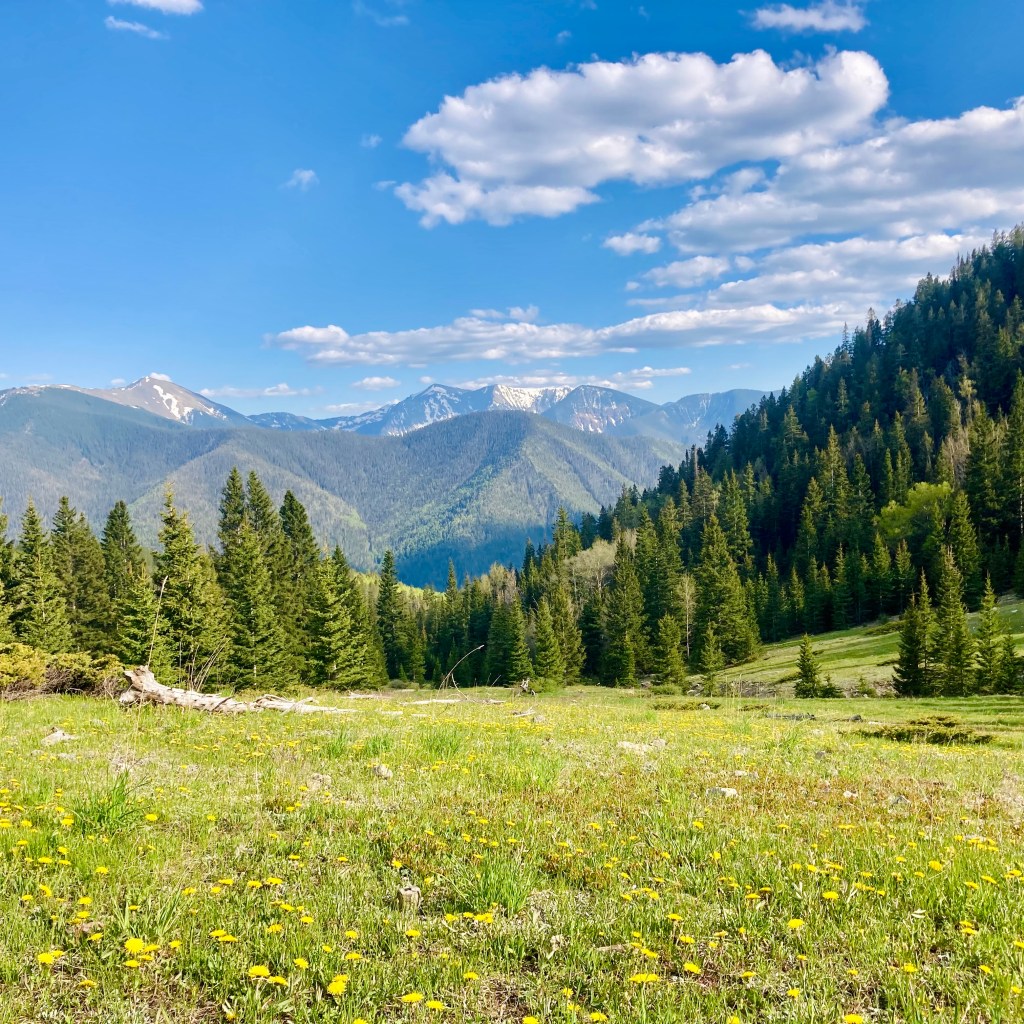


well, here I finally am. I at last find myself alone, rested, ready to type away. i’ve wanted to forever, but it has been so long since I have felt mentally prepared to write on here. and now i’m so shocked that i’m here I don’t know what to say.
marriage is an amazing thing. the closeness that it creates between two people has been very sublime to experience. to be the person that a boy confides in is one of the best privileges. to get to know someone in such an intimate way, it’s just incredible. and there’s still so much left to know.
I do feel different. some events in your life just straight up change you, and it takes some time to realize that is okay, that the person you were when you were 21 years old was never meant to be the finished product. life refines you, polishes you over time…being a grown up is okay.
there’s been a lot going on. sometimes it’s hard to make time to sit down and write, or go on a run, or just be alone. I think it’s just a season. between working and waiting and sleeping and cleaning and watching Alone and visiting family and traveling, I haven’t taken much time to clear my head and do what feels right. to get to a place where I feel good about where i’m at, who I am, what i’m doing, etc.
things I love + miss / yens:
the internet has been bad for me lately. i’m deep in the youtube algorithm of angry political commentaries. well, some of them aren’t angry but they focus a lot on everything that’s wrong with people. it’s not good for me. people are people. I need to spend more time out here (*points to the grass*) and only check my email once a day. why do I check my email so much.
❤
i don’t know how to praise God enough. this weekend has been full of hard work paying off at last, and it’s only the beginning. hunter told me he was going to start training for a half marathon on february 22. and on saturday he ran 13 miles in the heat of the morning. right after that my parents moved into their home that had been destroyed nearly eight months prior on september 28. they’d been working so hard. everything had been so hard. it’s like there’s light now, and the hope that’s always been there is being dusted off and reaffirmed and it’s clearer than ever that good things are ahead. just in time for summer.
I can’t believe that i’m sitting here in the same place that it all began. after I graduated college and didn’t know what to do, and was so dramatic. i landed a job for a quack doctor and gained two talented and funny graphic design rabbis who taught me so much about design and life. covid happened. so much fishing and water. so much running along the palm tree-lined roads. so much fun in the loft, and also a little bit of hardship. and then a yr in, moving into a perfect apartment. what a gift from god that place is. it was so amazingly timed out. I remember, months before, going on a run per usual and running into the most beautiful sunset at the perfect time. and god said to me, “when the timing is this perfect, it usually means you had nothing to do with it.”
being so lonely at first and wishing I had someone to share it all with. and then, suddenly, running into hunter. he’d been there for months—we both had. but at some point, at just the right time, it became evident that we were both there together for a reason. everything was so perfectly arranged, i don’t know how to praise god enough. the timing of it all.
I can’t believe god has given me a husband. well I mean obviously I believe it, but i find it amazing. I can’t believe that all that time I spent praying that god would let me leave fort myers, he knew that just a year later my husband would show up to this town, and I would meet him six months after that. and now the wedding is in 26 days, and my family is living in their home again, and good things are coming out of hardship.
lord, i’m so grateful. I don’t know how to do justice to all of the care you’ve shown me and my life. all of this is my testimony. when the timing is this perfect, it usually means I had nothing to do with it.
when you fall deeper in love with jesus christ you have a greater hatred of sin
“part of that faith journey was helping me to accept myself for who I was, which was the most important thing in order for me to kind of turn my life around and such”
“jesus would go out of his way to help people were suffering”
“the erosion of common sense and normality”
saturday: tied to sleep in, returned coqueta to her family, visited a cat, accidentally bought chocolate pudding at publix, walked around downtown ft myers with h and his papa. left and went to target, had dinner at kj’s with h, his dad, & my parents 🙂
sunday: wore a cute outfit, went to service with h and his dad (missions, we’re in this boat together…), taught the 4th and 5th graders, bought some flip flops at publix, went to the beach with h (!), stopped by target to look for a journal, family dinner, jumanji
monday: drove to the apartment, worked, pet kitty, looked at rings at kay, went on a 2 mile run (so nice), came home and watched that weird jury duty show w m and s
tuesday: worked from the condo, got makeup done after work (!), went on a long walk, drove to publix with kenzie
wednesday: worked from the condo (long day), met with sherry m and k at sbucks to go over shower, designed a resume, drove to apartment, took a shower, went outside to the river with h, put our lock on the fence (!!!!), sat and talked and watched the beautiful sky, made hot cocoa, watched over the hedge ( 🙂 )
thursday: worked from the apartment (very productive!), made a spreadsheet, mirrored some paintings for a canvas wrap, said hello to h, met with r, mom, d, and m at the church to go over wedding things, had dinner at panera with mom and d. came back to the condo, sat on the balcony 🙂

If you nurture something it will grow.
I know i’ve been posting so many videos on here lately, but this one’s really incredible.
“I will discern evil from churches. Evil from God.”
“So I don’t have to throw the baby out with the bathwater, but throw out the bathwater and keep the God, which, seems to be much more empowering.”
“We live in a world where we’re discouraged to changed our mind.”
“The garden reconciles human art and wild nature, hard work and deep pleasure, spiritual practice and the material world. It is a magical place because it is not divided.” -Thomas Moore
i’ve been forgetting so much of what’s going on lately. I think because there’s so much going on? I love to cling to every thing that’s happening, though, usually, so it’s driving me crazy that the days have been running together so much. so i’m going to force myself to keep better track of it on here. because awareness and mindfulness and being present and whatnot.
last week:
(the wknd prior was great – we went to naples and did other things that I can’t recall but I just wanted to make note that it was really good)
on monday (2/27) I was sick, like a feverish nasty kind of sick, an I-just-want-to-sleep-the-day-away-sick. it made the work day a bit rough. and then finally, work ended, and I basically didn’t move from the spot of the couch I was on. h dropped off some food, which i’ve yet to pay him back for (hehe). and then I watched two episodes of the chosen, which were both amazing. the scene where jesus and nicodemus were talking in the candlelight. so good. and then the episode with the woman at the well. cried a bit. even though I felt so bad, I had this feeling that it would only last a day. so, I went to sleep in that same spot. lol I barely moved that day
on tuesday I woke up and sure enough, I felt so much better. i’m assuming the work day went spiffy. I still took it easy quite a bit during the day. and then h took me to this trail park he’s been loving, it was nice to go outside. I half assed some running. I just felt frail, lol. and then I went to my painting class. at first I felt miserable and wanted to leave. but then things started to turn around, and I realized I was excited about what I was making and all I had to do was keep going. I ate two chocolate cupcakes.
on wednesday, um, the work day was fine. we looked into some things to do in new mexico. I can’t remember much. I think I ran to publix after work to get some dinner. and then we went to marriage counseling, which was good. we talked all about ~communication. and then we stopped at publix and got madi some flowers and put together a thank you card for taking our pictures. and then we dropped it off at the condo.
on thursday, I almost went into the office and didn’t. but I did start working on editing our pics and making a wedding website, and that was actually quite fun. especially the editing part. no one noticed but I made the sky purple. making the pics look the way they do now was actually a process, I enjoyed it a lot. after all that, I got a s’mores shake with h and then drove to cp to pick up my dress. it was a really pleasant place to walk around at dusk/night. I also bough some shoes. and I also found out that my mom was in the hospital. then I went back to the condo to be around everyone, and I worked a bit more on wed stuff. h met me in the garage when I got back : ) and then we sat on my couch and talked for a long time : ))
on friday I worked to get everything ready for a day off on monday : ) after work I went outside and walked around the student-focused art walk. watched some enjoyable class performances. bought an açaí bowl. just wandered around. and then h picked me up and we went to a movie night. juman ji 2 is so funny oh my goodness. I believe that was all.
on saturday I woke up and went back to sleep and didn’t end up actually waking up until 12:30. so the day was very short. I went over to hunter’s for a bit to eat his chicken nuggets and curly fries, and we watched some fishing and cat vids. then I came home and shortly after iv called and we talked for a good while. and then, h and I went to see jesus revolution and it was sUCH a good movie. we both loved it and researched the movement like crazy. that’s a nice little theater. always enjoyable. but that movie though, oh my gosh it was good.
on sunday we went to second service and served w the children and it went so well. then h got lunch with z and I went to whole foods and met up w them after. then we went to buy h a suit and we walked in and found the PERFECT one. it worked out so well, thanks Lord. then we came home, and just a bit later we went to the condo, which was also a nice time in my opinion. especially at first. dinner was good too. and then we stayed for a while and did budgeting stuff.
and that leads me to right this moment. glad i’m not working tomorrow, i’ve got a full list of tasks to do instead. I think the word of the moment is compassion. explanation to follow. chao!
I do not understand how such a powerful, supernatural being could be loving. I do not understand how something so beyond our comprehension could be anything other than morally neutral.
And yet, I see evidence all around me that it is true. A happy toddler. The way a kitten melts my heart. A pink sunset. The monogamy of flamingos. The way that even sex creates some sort of spiritual bond with another human. It all points to one thing.
Spending enough time in the secular world will cause you to believe that animals came first, and love came after as some sort of evolutionary response. But the truth is that love came first, and animals came after.
My corrupt head cannot even fathom that love is the root of existence itself. Before time, there was a loving god. I do not understand that. And yet, I can tell that it is true.
time for a pictorial life update BABY
it’s been a while, so we’re going all the way back to october

we carved pumpkins with friends. and then we put them on our heads, but you’ll have to take my word for that part

naples botanical garden with mom 🙂

bass pro scavenger hunt date night. plus chickfila ofc. bass pro on a weeknight is something special. we bought our first christmas decoration : )
and here it is
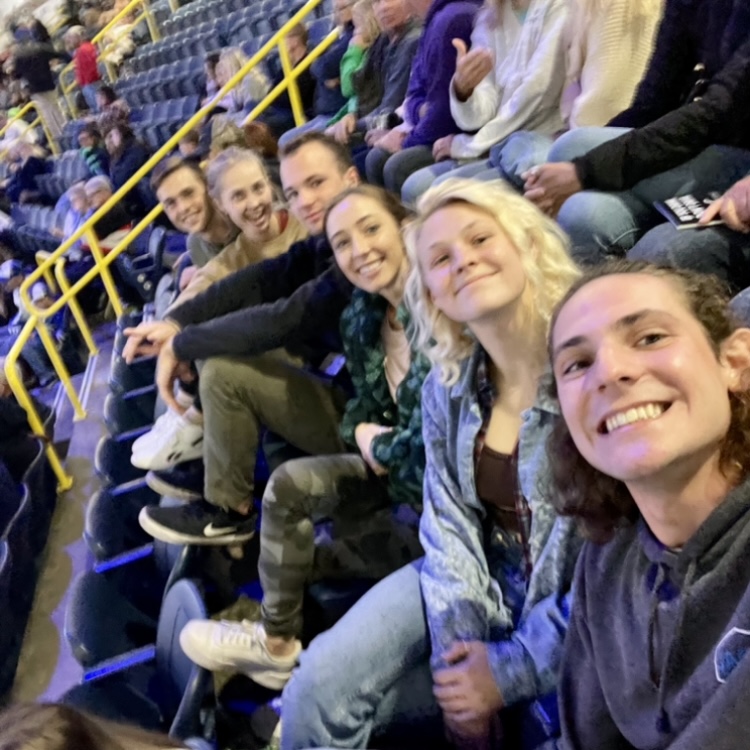
family hockey outing. this was the day I sported my brand new jacket
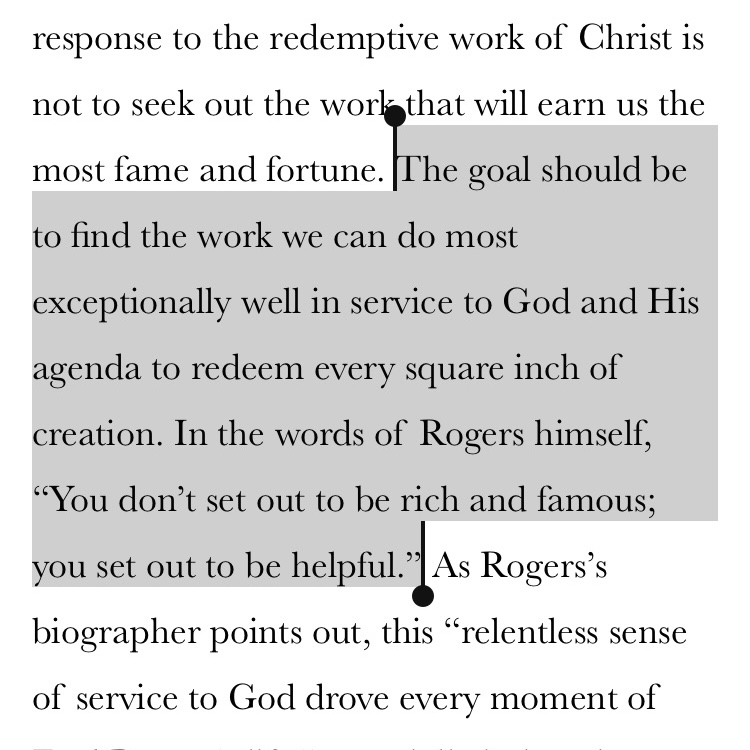
did a bible study about the life of mr rogers and it rlly inspired me. i’ve been thinking about work again more recently as well. i’m grateful for this flexible job in a crazy time of hurricanes and wedding prepping, but i’m quite certain that it will soon be time to leave. an out-of-comfort-zone change is ahead. at some point.

a quaint sistergiving this year
(ok, i’m being way too thorough with this. there r so many good memories! i’m gonna skip ahead)
we did a weird thing to my car
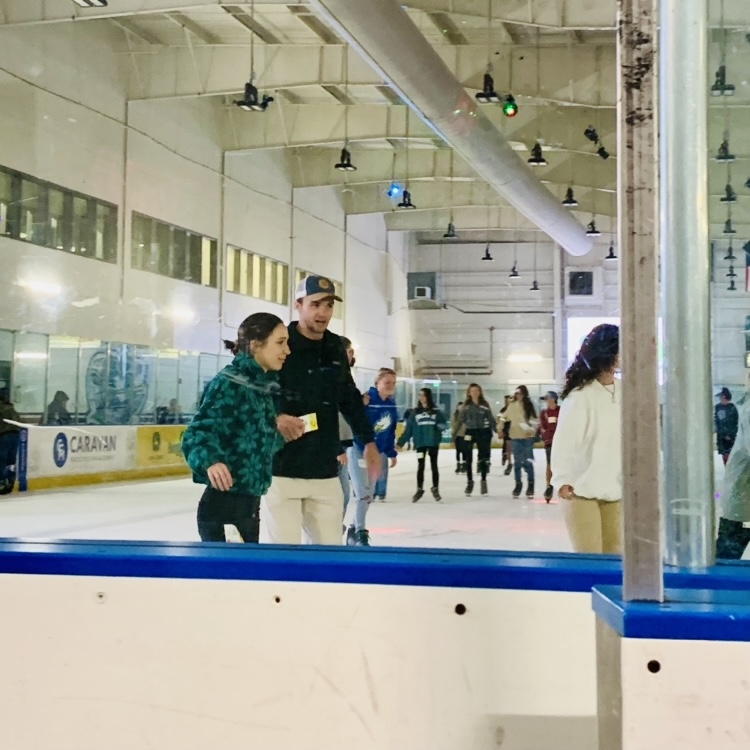
this was so much fun!!
(ok I need to do some skipping ahead. thanksgiving was fantastic. we spent the first half w my fam in the condo (and did a 5k) and the second half w h’s fam. and the next day din w his mom. a rlly gr8 weekend)
(the christmas season was wonderful too. unique due to the hurricane. one of my favorite memories was hot cocoa and movies with the sisters + boys. also going to the decked out house with hunter one night. and the xmas eve service. and watching the princess switch w h one night lol. ofc I say it was great, but house reparations were also exhausting and stressful for my parents. so a mixed bag I guess you could say.)

we thought we were hilarious
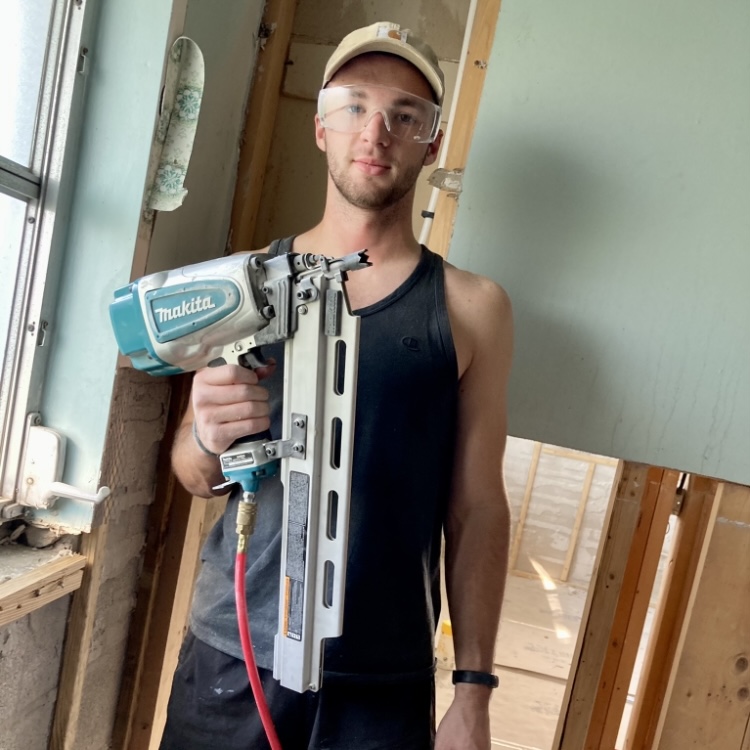
house
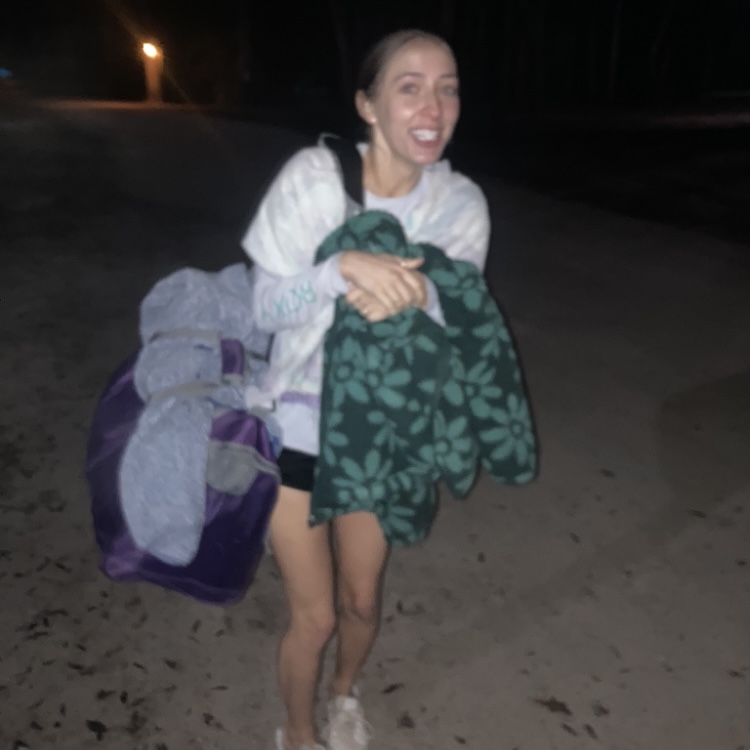
COLD!!!!

hiking…

AHHH THE PERFECT DAY!!!!
AND SUDDENLY, EVERYTHING C-H-A-N-G-E-D.

the rest of the TN trip can only be described as football, hiking, bonfire, happy, in shock, johnson city, family, anticipation, PALS
(I think I had a birthday shortly after. what the heck did I do that day. I think i’m 25 now but that sounds wrong)

g + m’s wedding. so fun

THE VID HAS NO MERCY. now this came down at an interesting time. we were in the middle of the post-engagement shock what-the-heck now phase. and then all of a sudden I was crying to h on the phone bc I was scared and knew I needed him. sometimes God shows us that he is taking care of us by making us sick.

: )
i’m running out of energy so i’ll stop there. the past few weeks have been great as well. sometimes it’s stressful, but the weekends are great. last night I was a little discouraged bc i’d been wfh all day and also doing wedding planning stuff. and I just felt so in my head and alone by the end of the day. then I watched an episode of the chosen, and it happened to be the one about the wedding at cana. and it hit me that God loves weddings, and abstinence is something that god honors in incredible ways. jesus literally saved the party by creating more wine—he provided what they needed. and god told me that he sees me, and that it’s all going to be worth it. yes, a wedding is about two people, but it’s also a place where God performs miracles. that’s pretty incredible. what a privilege to be able to have it at a church. ok that’s all goodnight

I feel like the first time I ever wrote blog post was the moment my life actually started. obviously that’s not true. but it’s the moment I started paying attention.
I love young meg (and here, and here). I can’t believe how much different life was four years ago. I lived in georgia, with trees. it’s amazing just how much we don’t know where we are headed. makes me realize that two years from now, who knows what our lives will look like. which is scary at first, but then it’s a reminder that we were never in control to begin with.
I didn’t see the youngness in what I wrote back then, but now I do. I was discovering things that seem obvious to me now. and I overused words like ‘shizzle’ and ‘cray’ loll. I was making whatever I wanted, because that’s what my professors told me to do. graphic design had endless possibilities to me. it didn’t mean making email spam and sitting through thirty minute meetings about “process.”
I think i’m still an optimist, but life is so different now. the lessons are different, but i’m so glad i’ve grown old enough to learn them. Corrie Ten Boom wrote,
“Every experience God gives us, every person He puts in our lives is the perfect preparation for a future that only He can see.”
i’ve quoted that on here before. i’m so glad I started this blog, so that I can go back and see the evidence of how true this quote is. in hindsight, it was all leading to something. things came full circle…and they still are, in ways I won’t be aware of for a long time.
as nice as it is to be nostalgic, I know that life is just as good now as it was back then—actually even better, because now I have lived even more. I get to take all of the memories with me. and i’m smarter lol.
and my faith has grown, even though I hadn’t realized it. the more experiences I go through with God the more I learn about him, it’s incredible actually. it’s like how marriage changes as you both age – it becomes a different kind of love. a deeper kind.
so all that to say, change is good. inevitable. maybe a little bittersweet. but also exciting. and God is always with you. he’s setting up every step. growing up is good too, because over time you are blessed with more responsibilities—like being in a relationship—and your life becomes a part of something bigger than yourself. thank you Lord for orchestrating my life.
it’s the list we’ve all been waiting for. here we go. I miss this little blog spot.
I don’t know how to sum up 2022. I know that God was in all of it. lots of intensely good things happened (like falling in love hehe), also some intensely hard things (like the hurricane). maybe this song sums it up…
joy comes, tears fall. i’m learning there is beauty in it all—it’s not hard to find it, you just have to look.
I pray I never stop looking for the beauty in it all.
<3, meg
the amount of shallowness and twisted truths out there has broken my heart today. narcissism and vanity disguise themselves as moral superiority, justice, and a woman’s right to “choose.” but control is always an illusion. and all sin leads to death. we are broken, selfish individuals. the only way to find the meaning of life is to acknowledge that fact, and to let go of control. I have no idea what kind of trauma any celebrity has gone through, the sort of fear that michelle williams may have felt when she realized she was pregnant for the first time. i’m sure it was terrifying. but the part that breaks my heart is that she celebrates her decision after. there is no grief, no solemnity, no acknowledgement of the weight—of how horrible the situation was. only boasting of her right to be in control of her circumstances. to delete the consequences and move on. but control is always an illusion.
i’m reading old posts from around winter of 2019, when had just graduated and moved here.
I had forgotten the excitement of moving to a new place and discovering it all. even your own new house feels like an unfamiliar mansion to explore. it’s so much fun, starting afresh. and hard.
as nostalgic as I am for that time of being a fresh little college grad, i’m so glad that is not me anymore. I am so glad for everything since. I was so confused when I first moved here and had no job or plans. I had a lot of aimless dreams and prideful goals, but I could have never, never predicted what has turned out to be. it really is true that we are not in control. thank god for that, literally.
“the artist who is a christian, like any other christian, is required to be in this world, but not of it, we are to be in this world as healers, as listeners, and as servants”
“to be a witness does not consist in engaging in propaganda, nor even in stirring people up, but in being a living mystery. it means to live in such a way that one’s life would not make sense if God did not exist.”
“i’ve long stopped feeling guilty about taking being time; it’s something we all need for our spiritual health, and we often don’t take enough of it”
“or maybe, like me, you feel a great contradiction, a great tension between what you believe in the belly of your soul and what you create in your art, and for the life of you, you can not see to reconcile the two”
-madeline l’engle

the older you get, the more you realize how much the world sucks. I wish I weren’t writing that because it sounds negative, but sadly it’s true. it’s like humans can’t catch a break. people catch bad habits that hurt themselves and others; pandemics destroy communities; storms wreck the homes of fifty year olds. we have fights with the people we love most in the world. girls sit at computers in their homes for eight hours a day to make money, and it’s not their fault, they didn’t do anything wrong to get to that point, that’s just the way it is. children go hungry…
I want to know why god has left us here to deal with this horrible earth. why he hasn’t come and saved us yet. why do we have to go through all of this crap, this ache, this hard life. I prayed that he would answer this for me.
and he did. he told me that the answers lie in this giant book he left for us. in Ecclesiastes, where the wisest man in the world said that everything was indeed meaningless—all of our toils, all of our wisdom…
For in much wisdom is much vexation, and he who increases knowledge increases sorrow.
commentary: Wisdom is a mixed blessing: to gain wisdom and understanding is to gain a clear view into the tragedies of life in a world marred by sin.
Eccl. 1:18
(that’s exactly how I feel!)
but then, he concluded that “there is nothing better for them that [humans] should be joyful and do good as long as they live; also that everyone should eat and drink and take pleasure in all his toil—this is God’s gift to man.”
He has made everything beautiful in its time. Also, he has put eternity into man’s heart, yet so that he cannot find out what God has done from the beginning to the end
commentary: Despite the repetitiveness of the natural world, the Preacher can see that God has made everything beautiful in its time. The problem is that God has also placed eternity (that is, a sense that life continues beyond this present existence) into man’s heart, yet so that he cannot find out what God has done from the beginning to the end. The Preacher thus realizes that both his desire to understand all of life, as well as the limitations on his ability to do so, have been ordained by God.
Eccl. 3:1
the answers lie in Job, where a blameless and upright man lost all of his seven children, his animals, and his servants; and then woke up with sores all over his body. at one point he was so dismayed that he lamented his own birth—his own existence in this difficult world.
Why is light given to him who is in misery, and life to the bitter in soul, who long for death, but it comes not, and dig for it more than for hidden treasures.
Job 3:20-21
his friends try to explain to him why God allows suffering, but none of them are correct. and then the Lord himself speaks to Job. in a whirlwind He explains how incredible the world is, how powerful God is, how intricately and majestically He manages all things, and how much we do not understand. in short, we live in a complex amazing world that at this stage is not designed to prevent suffering. Job is out of his league in questioning God’s just-ness. God invites him to trust in His wisdom and character.
the answers lie in Psalm 22, where David feels alone and as if none of his prayers have been answered.
My God, my God, why have you forsaken me? Why are you so far from saving me, from the words of my groaning? O my God, I cry by day, but you do not answer, and by night, but I find no rest.
Psalm 22:1-2
but through the whole song, David’s description of his suffering is intertwined with a song of worship.
Yet you are he who took me from the womb; you made me trust you at my mother’s breasts. On you was I cast from my birth, and from my mother’s womb you have been my God.
Psalm 22:9-10
in conclusion, the Lord answered me. He answered me far more thoroughly and quickly than I expected, and I am in awe of him and very grateful. there is so much in this giant book—answers to questions I am often too faithless to ask out loud.
in conclusion, I am not capable of understanding all of the Lord’s ways. but despite the fact that suffering exists in this world, so also exist beauty, complexity, majestic-ness. there are so many amazing elements of this life. though I may suffer at times, in this life it is best that I enjoy all of the gifts God has given us on this incredible planet. eat and drink and take pleasure in all of my toil. so, in any season, this is what I will do. I will bask in the good parts, and in the beauty of all creation.
I love you, Lord ❤
“don’t be afraid. from now on i’m actually gonna give you a purpose for the things that you’re passionate about”
“what god calls you to do he equips you for”
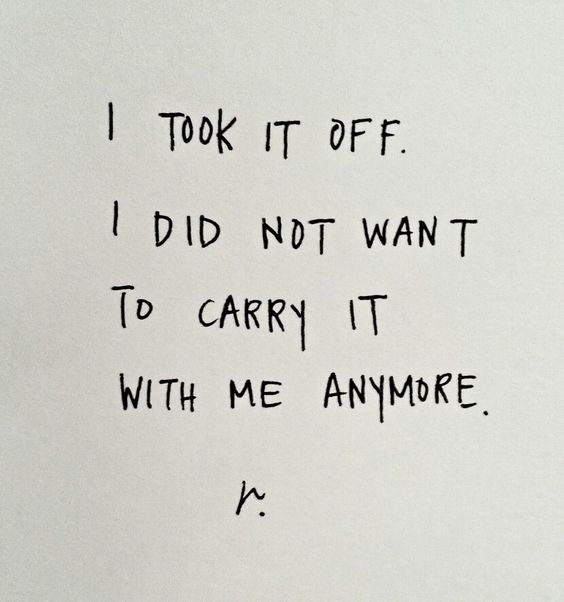
tonight feels different. it feels a little bit like everything is falling apart. and I can’t possibly handle any of this alone. but it’s also nights like these when I really have to fully rely on god. it is nights like these when god feeds me and puts me to bed, and then directs my next step in the morning. it is is nights like these when David wrote his most beautiful psalms. I suppose on this side of eternity, we need nights like this from time to time. to reorient us. and remind us that we are always, always being held and cared for, and that He is working all things for his good, even as as we sleep.
hello world 👋 I muse often on the timing of things, because it has always been one of the areas where I see god’s work so evidently. on that note here is a list of some of the things that have occurred in the past month. a little photo timeline if you will. ok without further ado here we go.

on september 17 we took the ferry to key west. playing cards on the boat ride. scooter-ing with hunter through the streets of this wack town. hiding in a key lime pie shop when the rain started to pour. walking back to the boat in the flooded streets. we thought it was unfortunate that we had chosen such a rainy day to go, but as it turns out, we chose the perfect day to go. because now due to the storm, the ferry has suspended service. i’m so grateful god allowed me to use the ticket I purchased two years ago before it would become impossible. literally the last weekend I would’ve been able to go, that is cray.

this was from a random run I went on with hunter that was rlly nice. sept 19
the next weekend we went to tennessee. hiking. driving through pals. talking with nana and papy. visiting davy crocket’s home. gathering buckeyes. jumping on hay bales. discovering a waterfall oasis. sharing beautiful moments. it was a perfect, most carefree trip. there is so much more beauty within my hometown than I have realized. I guess this really was the calm before the storm, lol. it was nice to share the rest of my life with h, felt very right.

and then of course, we thought H might be dying so we spend the night in the ER right after we returned to fort myers. perhaps this too was the calm before the storm. sept 27

then the hurricane event began. but I want to always remember the time cooped up in the house the two days leading up to the storm. because those two days were very unique. a little overwhelming and emotional and strange and tense. but also significant.

(the storm happened, we know this. too much to dive into.)

then in a turn of events we traveled to georgia for gabby’s bachelorette. fun, emotional, humorous, beautiful, good 🙂

pleasant memory ❤

many continual house things.

post storm beauty. this is the definition of the word ‘sublime’

returned to work, difficult to focus at first. sleep + health deteriorating. still a work in progress. doing much better tho. surrounded by loved ones. certainly want more time to pray + meditate.

we went to lakeland. oct 13-16. always pleasant & good. we did a whole lot. almost got a cat.
(pause) ahhh I love memories : )
an evening w h and his mechanic paper. this was actually just supposed to be a photo of the sunset.
karaoke night, with the nineteen year olds i’ve gone hiking with more than once


a pleasant night with my three favorite people, plus two other boys.
and that brings us to today. this morning, we sat in the truck for one last time and paid our respects to something worth taking a moment to remember and be grateful for. then we painted our pets. and now i’m sitting here on the couch, I just bought some cannolis from dhop because I feel like I should allow myself to do that once a month. the sun is about to set. life looks much different than it did a year ago but I am so incredibly grateful for it. I am so glad that god conducts my life, because reality is truly better than any grand dream i’ve ever had. in spite of the storm.
shalom ❤
“am I going to be okay?”
i’m sitting here in the er waiting room after a few hours of sitting snuggled next to hunter. they finally took him back and he finally talked to the doctor. his lung x-ray was clear. now he’s getting some bloodwork and an ekg to check his heart, and then some more bloodwork in two hours. it’s been a long night. it’s been a long day actually. it started out with a pleasant morning at a coffee shop in jc and a 9:30am lunch, and then a long airport trek back to fort myers. and now it’s 12:45 am and here I sit, covered in a face mask and a hospital blanket, staring at the ceiling mostly (it feels weird when I close my eyes), and getting excited every time hunter texts me. apparently there’s a hurricane on its way to eradicate the state of florida. that seems like a problem for tomorrow, or maybe wednesday. sitting here is making me think back to all of the other times i’ve visited a hospital. when we took dad to the emergency room in texas because of his terrible heart burn after getting an endoscope. when we stood outside where I am right now and waited for kenzie to be released after her wreck. when I took anne to her breast cancer check up. always lots of waiting, and uncertainty, and a little fear. I was just remembering the time I fell and hit my head when I was five, and how odd it must have felt when my dad saw all the blood running down my face. I remember him picking me up and taking me back to the house. I didn’t know why at first. then I noticed that I was getting blood on his shirt, and I remember apologizing for it. i’m sure he said something along the lines of ‘it’s okay sweetheart’. I wasn’t really scared. he tells this story in sermons a lot. apparently I looked up at him and asked, ‘daddy, am I going to be okay?”
when I thought about that just now, it made me cry. picturing a five year old little girl looking up at me and asking if she is going to be okay, oh man. in hindsight I think I wasn’t scared because I never once looked in a mirror. I never totally knew what was going on lol. it’s so much harder when you’re the one who has to decide what to do in an emergency, and when to even decide if something is an emergency. I hope I always remember being curled up next to hunter under that thin hospital blanket, looking out from our corner of the waiting room at all of the hurt people around us, and then leaning against each other as we tried to sleep. just the two of us. there was something precious about that moment. like when I was five and my big eyes stared up at my dad who was holding me. something precious about being young and uncertain and even alone. worried before god, looking up and asking the father if we are okay. and when I think about all of this, I feel joy even here.
“That’s the really great thing about learning it really is like a snowball effect. the more knowledge you have, the easier it is to learn more things. so it really is a spiral upwards”
“answering easy questions is not simple”
“that’s what will happen if you analyze and repeat something over and over, and you need that commitment to do that stuff for three/four years without any returns or recognition”
“golden clouds exist”
As I sit here on my bed at 6am in my pajamas and this giant cozy robe kenzie just gifted me (I feel like i’m wearing a cloud but I can’t say I love the image of me wandering around my house in a giant robe like batman or something), I am having many thoughts.
that is it for now. i’m so glad fall & winter r coming. I want the theme to be comfort, joy…& maybe robes?
ps; this song is actually amazing
I was at panera the other day and a few feet in front of me this table of women holding babies was doing a bible study. at the end they shared their prayer requests. one woman said that her kid went into anaphylactic shock at a football game and they think he has a nut allergy but they don’t know how severe it is because the allergist won’t see him until he is one-year old, so to pray for that. almost every woman asked to pray for rest. it made me think about how sacrificial being a parent really is. you’re not tired because you’re busy with hobbies and fun social outings, you’re tired because you’re constantly trying to keep a kid alive. it seems hard but apparently just because something is hard doesn’t mean that it is bad. some of the best things in this life are hard. it’s almost as if we were made to take care of people, and to work hard. and doing these things makes us appreciate rest even more. all of the chaos that comes from loving others is actually the most fun and exciting part of life. it comes with sacrifices, but the more you live the more it becomes so undoubtedly obvious that the sacrifices are worth it. well I guess that’s all.
I think that maybe sometimes god guides us to do things simply for the sake that they will make for good stories. so that people’s eyes will get wide and their faces will look amused when we explain to them what happened. sometimes the mess is worth the experience, and I think that god understands that much more than we do usually.
some scrambled thoughts from a brain that has not sorted itself out in a while.
i’m having trouble knowing where to begin. I don’t know how to sum up what life has been like recently. I didn’t think a quarter life crisis was a real thing, but maybe it is? it’s such a privilege to be able to even have one of those – to have the time to think, to doubt, to consider your own livelihood. it’s like when peter was walking on water and then took the time to overthink what he was doing, to get scared and to doubt – it wasn’t necessary at all. in fact it sort of hindered everything. it’s hardly ever beneficial to repeatedly reconsider ever step god leads you in. it’s honestly the worst.
I don’t know what this weird phase is. this phase of wondering about graphic design, about art, about where I am going, about what I am good at, what I should focus on. it seems that every little fad or passion or interest that I thought defined me doesn’t actually matter like I thought I did. like, maybe I love art and maybe I actually don’t. maybe sometimes I will and sometimes I won’t. apparently that does not have anything to do with my identity. apparently all that matters is that I am a child of the lord, and that’s all I have to be. maybe I really won’t ever be a master at anything, but maybe I don’t have to be. like, that’s not actually a requirement.
moses was slow of speech. timothy was timid. gideon doubted. matthew’s job sucked. but god forced them all out of their comfort zones. and he used them to be a part of something bigger than themselves. there is something so important in being personally incapable of the task god has given u.
so I guess it’s okay to be confused. it’s okay to not be the best and to not know anything. it’s ok to be quiet at first. it seems like god just sort of equips u with the experience and qualities u need and he just works it all out.
it’s been an interesting time. I guess i’ve been growing or whatever. it feels weird. idk how else to put it. like i’m still orienting myself. sometimes I get scared about things, sometimes I have extremely mixed emotions about things. but I think that i’m like…slowly…like becoming wiser. sometimes it’s hard to know when to be patient and when to act fast. but maybe I am the one making it hard. I don’t really know if any of this makes sense at all. I want to start writing on here more so badly. I feel a bit like a squirrel who hasn’t stopped to just sort of pause and collect his thoughts in a while. I don’t know why I said a squirrel. I think i’m going to start recording sweet little moments I have on here. because i’ve had so many lately, and I want to be grateful for them always. I love to write. I mean this post sucks but in general I love to write. also, I think lately I have forgotten that my purpose in life doesn’t have to be directly related to my job. I want to circle back to post grad meg that god spoke to so clearly. safe haven. 🙂 also, I am learning that it rlly is tru that christ makes u whole. like, it takes time. like basically a lifetime. but it gets better and better. healing rlly is plausible. it’s amazing. 🙂 I have also been thinking about the concept of sacrifice lately, like I haven’t realized that I’ve been thinking about it, because I haven’t used that word, but I am. I think that the fullness of life rlly begins once u kinda surrender all of ur own expectations & possessions. and embrace the ppl and circumstances that god has placed in front of u. even if it is outside ur comfort zone.
ok. I have a lot more to sort out in my head & spirit but ima go journal about it later bc my brain sleepy.


I miss this space. I haven’t written much on here of late. it feels weird bc h has the link to it now lolllllza. but this is my happy place I want to write on here more. tonight I’ve been reading old posts from around a yr ago, when I was still figuring out living alone and writing a whole lot because I…had the time? lol. a year ago was such a good time. right now is a good time too. super different but so good. 🙂 🙂
it’s crazy how much can change in a yr. I like how much this blog changes w the times. last yr I was writing a lot of sappy things. this yr i’ve written a lot more bulleted lists. last yr at this time I was making soooo many journals for my first craft fair. that was fun. well, I also hated it. it was fun tho. and I had just gotten my little bby Assie. awwwwwww. that was back when I still thought it was funny to call her Ass. I went through that period where I listened to the song Brandy on repeat for quite a while. I also started my first collaborative playlist that was epic. it was a good time at work, too. e and I got rlly close. the fruits of the holy spirit were prevalent. this was also around the time I started seeing a counselor. bc as great as things were I was also not healthy in some ways. ladjflakdjflkdjf. But in hindsight I will always be nostalgic. Ephesians 11 from the MSG version was like my favorite chapter at the time. I was also prettyyyyyy lonely at times.

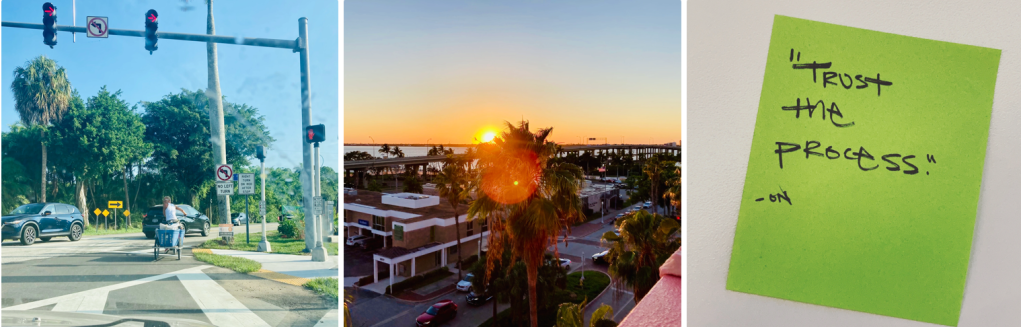

And now, here are some thoughts and quotes from loved ones from the recent times.


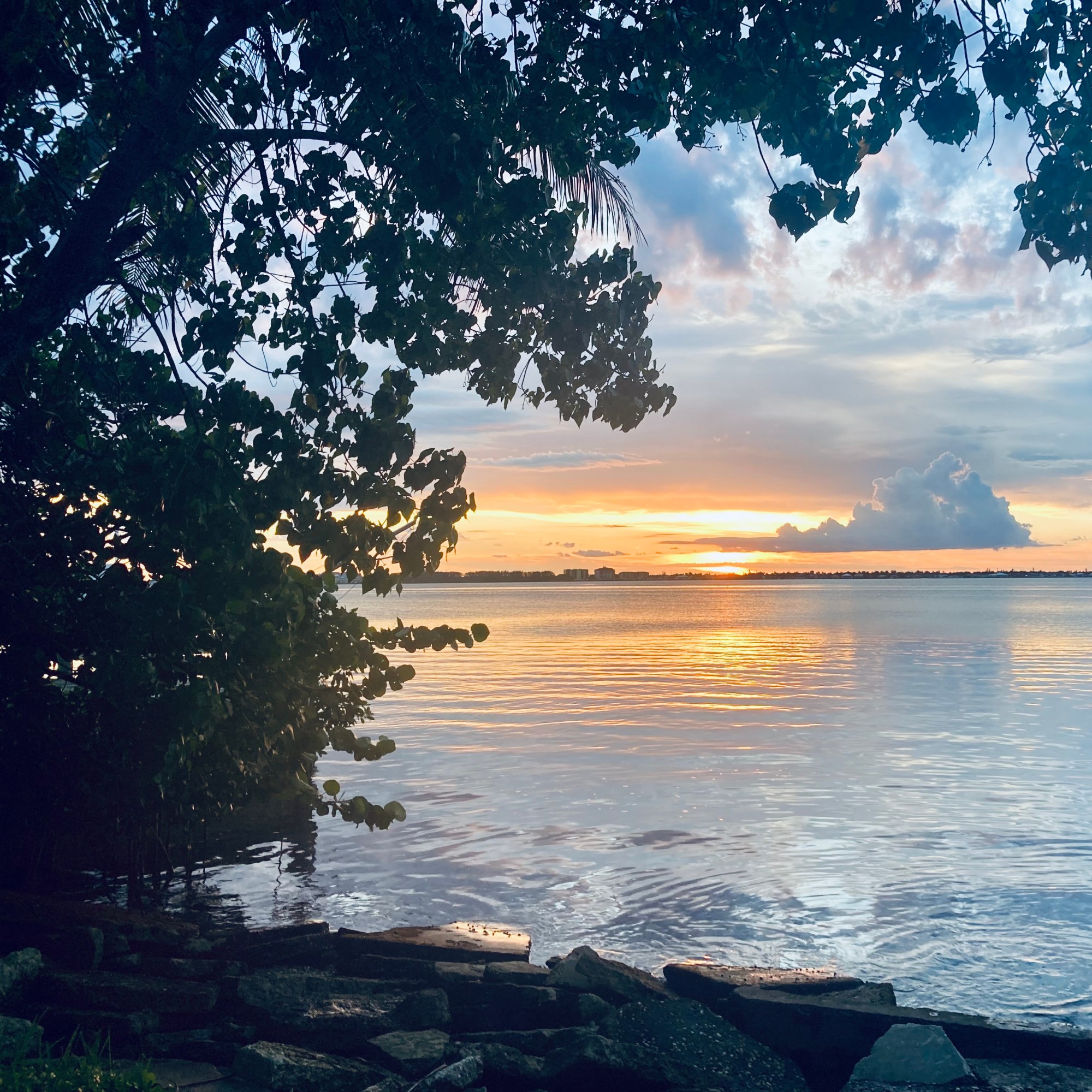


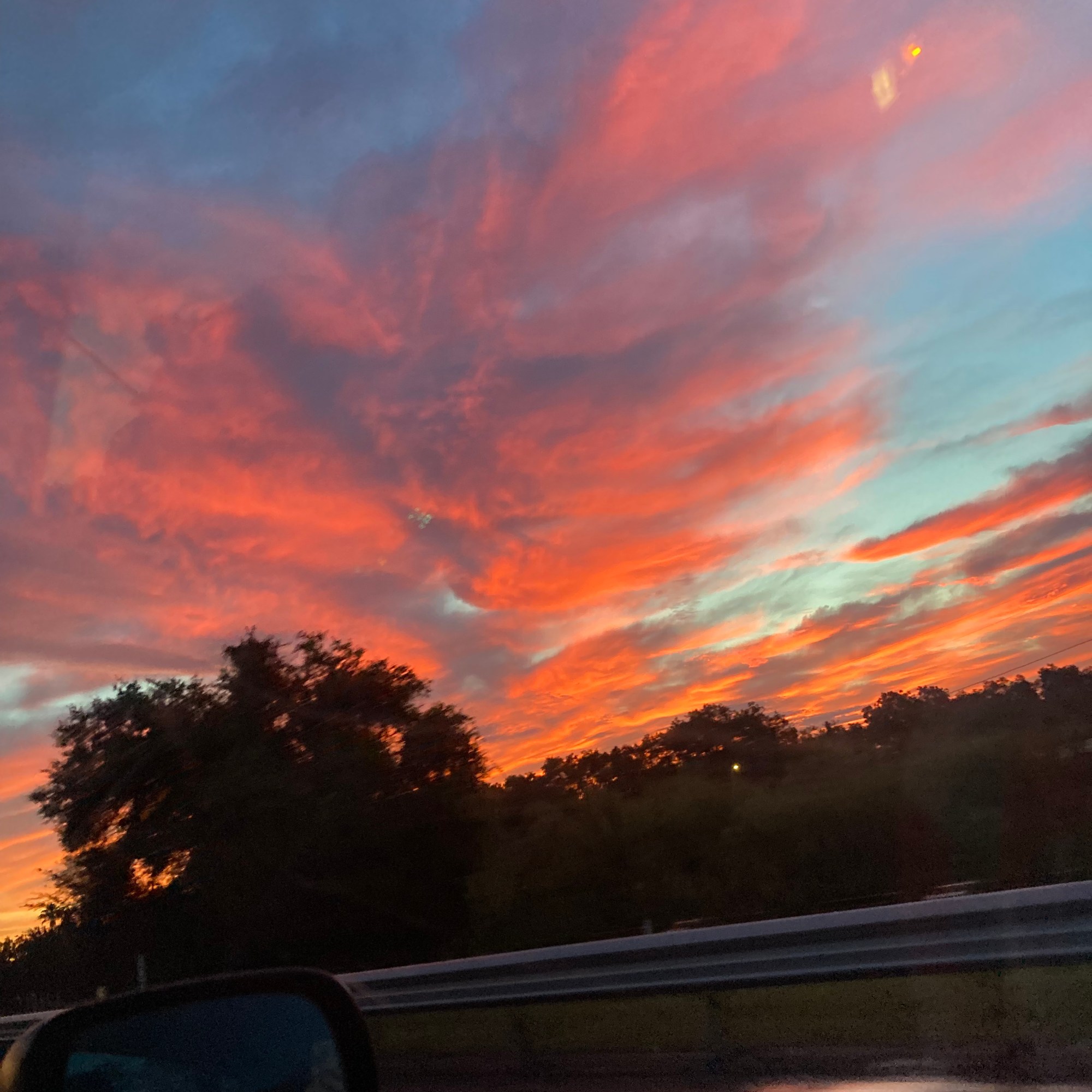
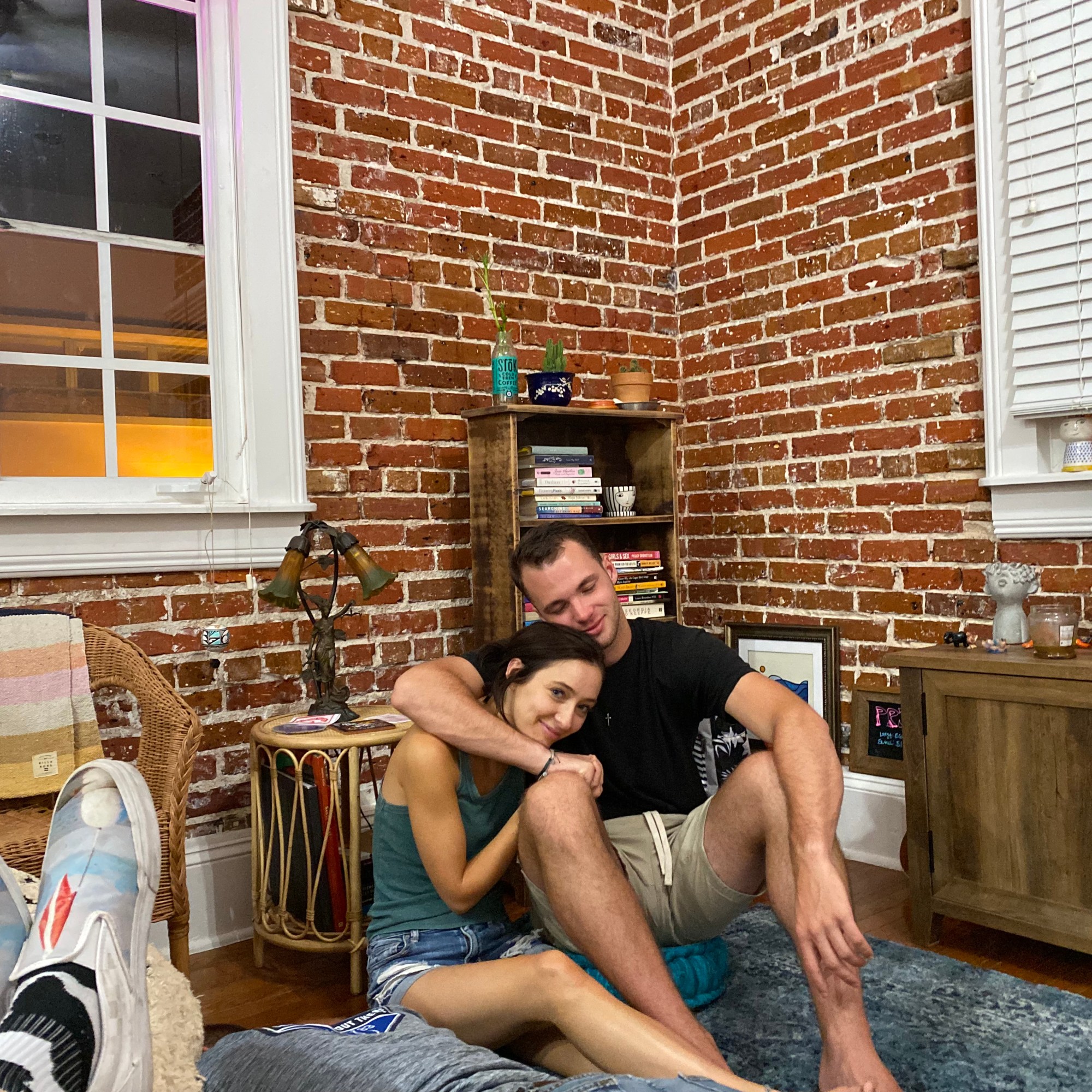

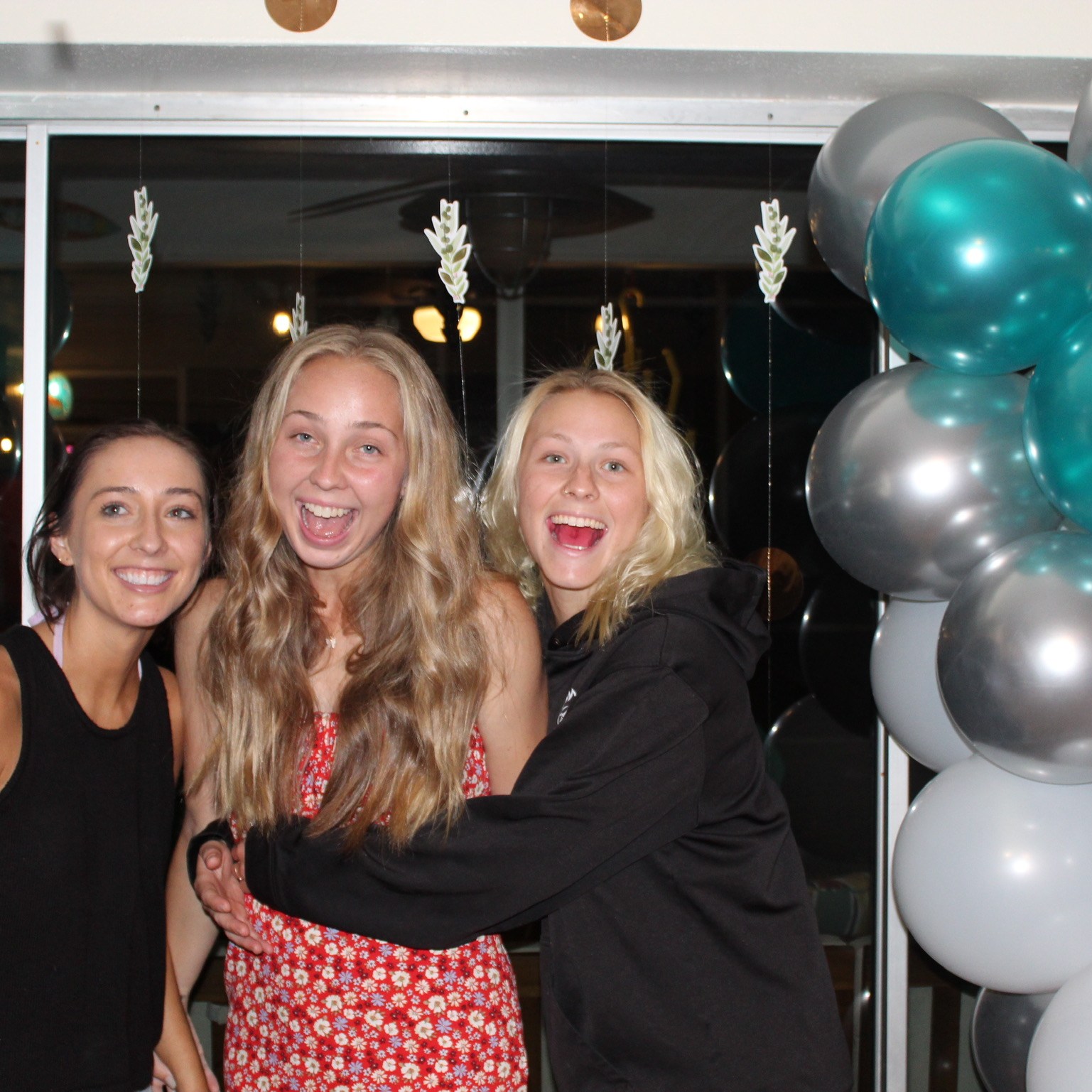

the end. chaoooooooo

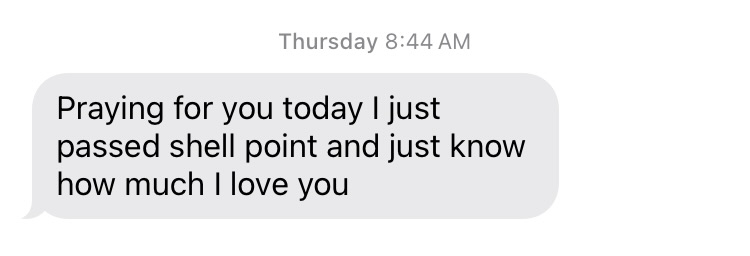










 mp
mp 